NICKRANDS.COM
RANDOM THOUGHTS AROUND A SQUARE
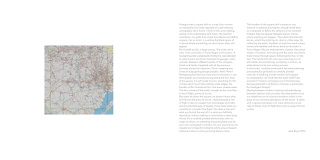
It begins with a square laid on a map, four corners connected by four lines imposed on a pre-existing cartography like a frame. I think of the artist walking, sailing, of his relationship with maps. His need for orientation, for grids that create boundaries and define a space. For an artist, it could be the blank space of a canvas where something, we don’t know what, will appear.
Rio Grande do Sul: a large canvas. The artist, we’re told, “reside e trabalha em Porto Alegre e Londres”. A navigating artist, perpetually finding his way between an island and a continent, between languages, cities, cultures. Between different points of the compass, South and North, freighted with all the previous journeys along that trajectory. Once, mapping was a way of subjugating savage peoples. Now? Here? Remapping has become intercultural translation. I see the traveller as a nomad moving along the four lines of his square, his self-made horizon, searching for the corners which touch the extreme outer edges, the borders of Rio Grande do Sul. One even crosses water. The four corners of the earth, straight as the crow flies. Lines of flight, points of arrival.
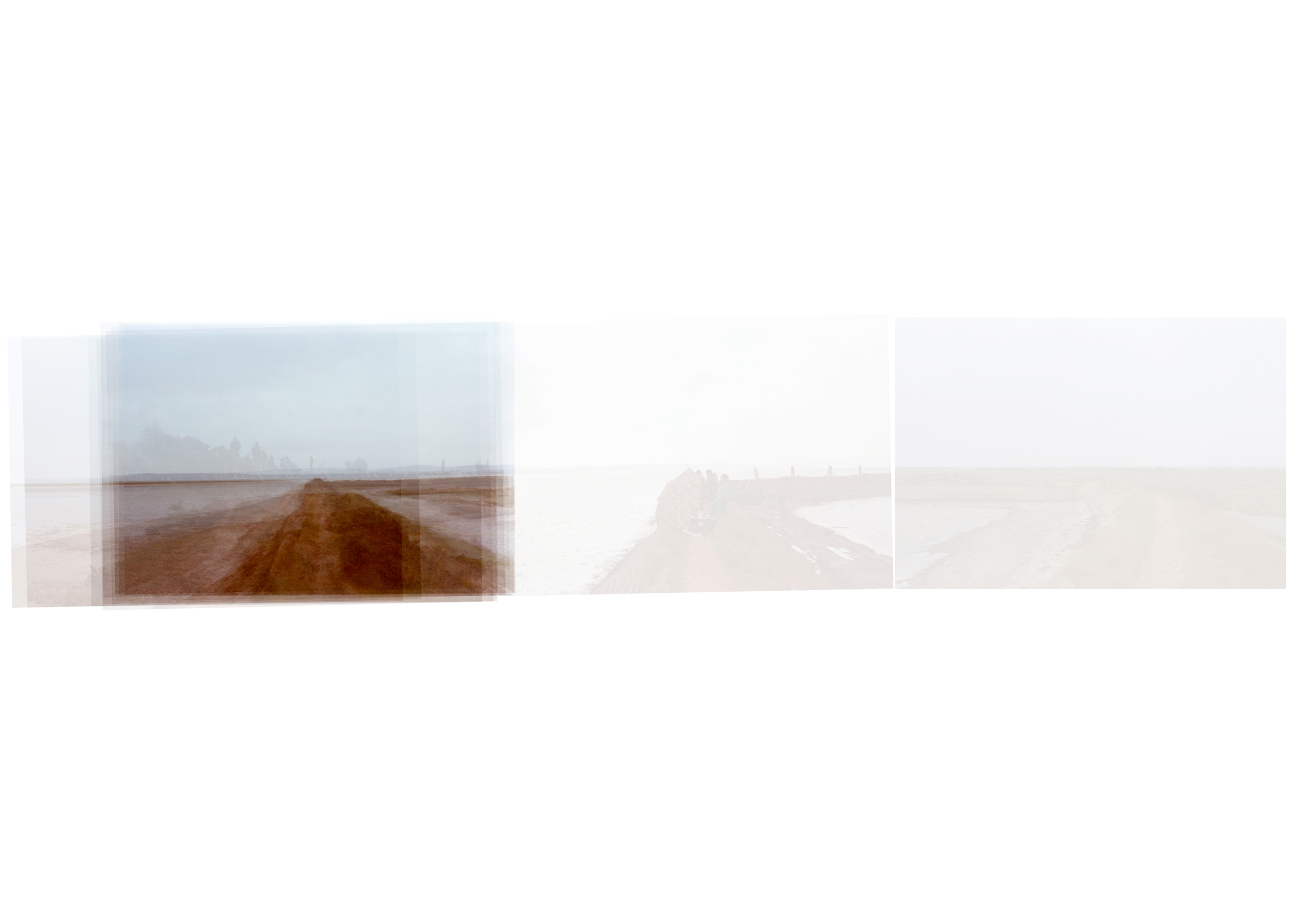
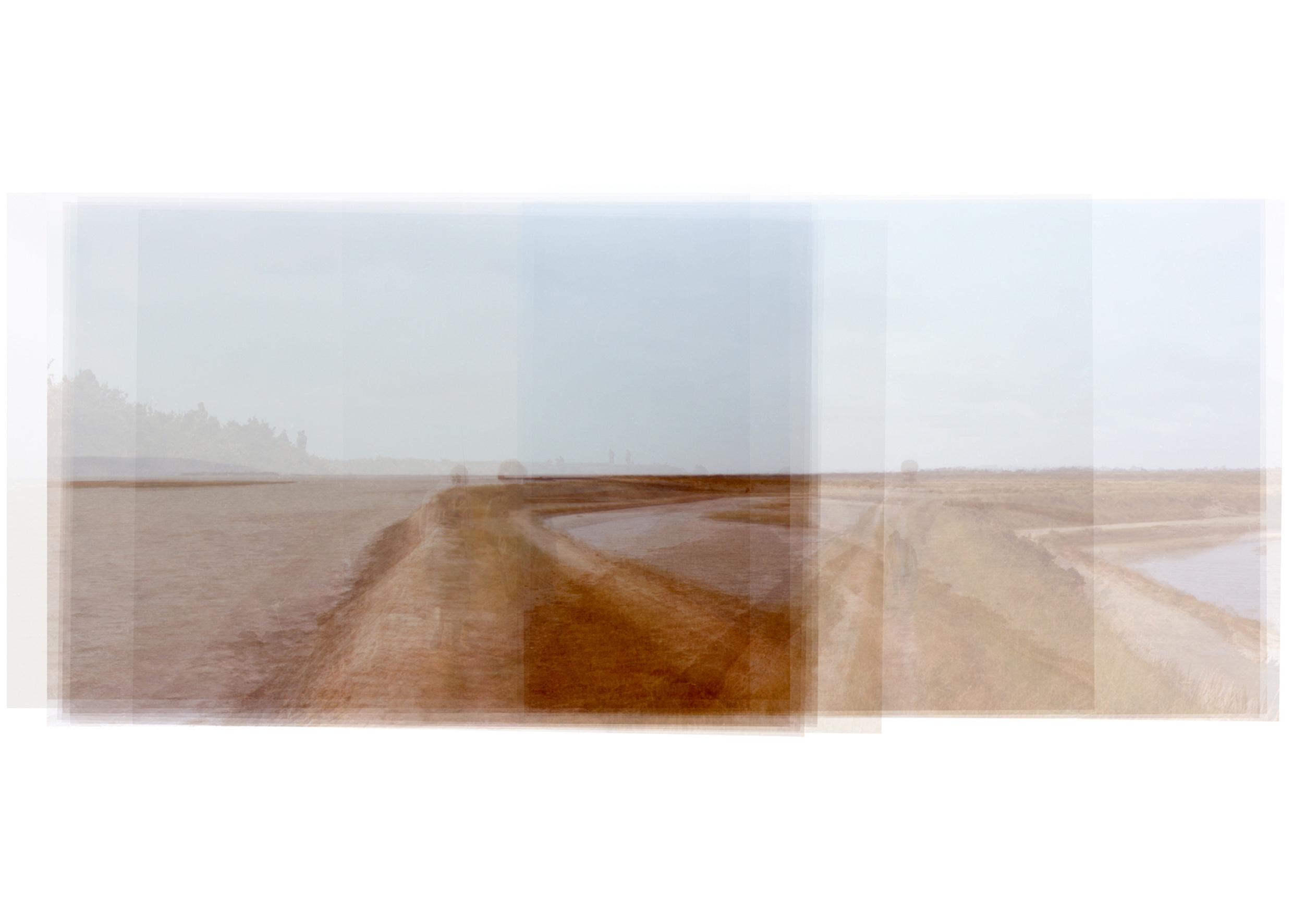
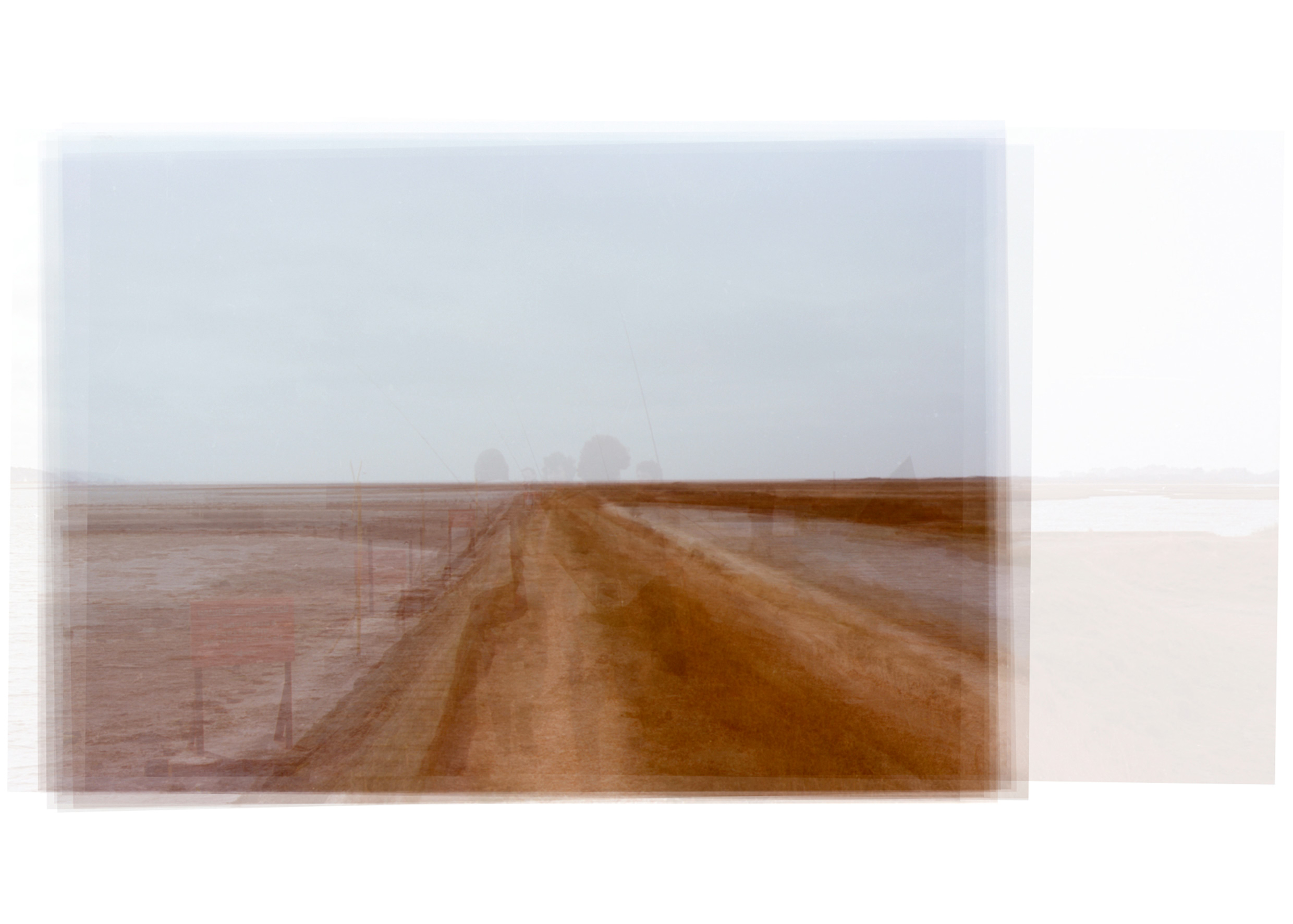
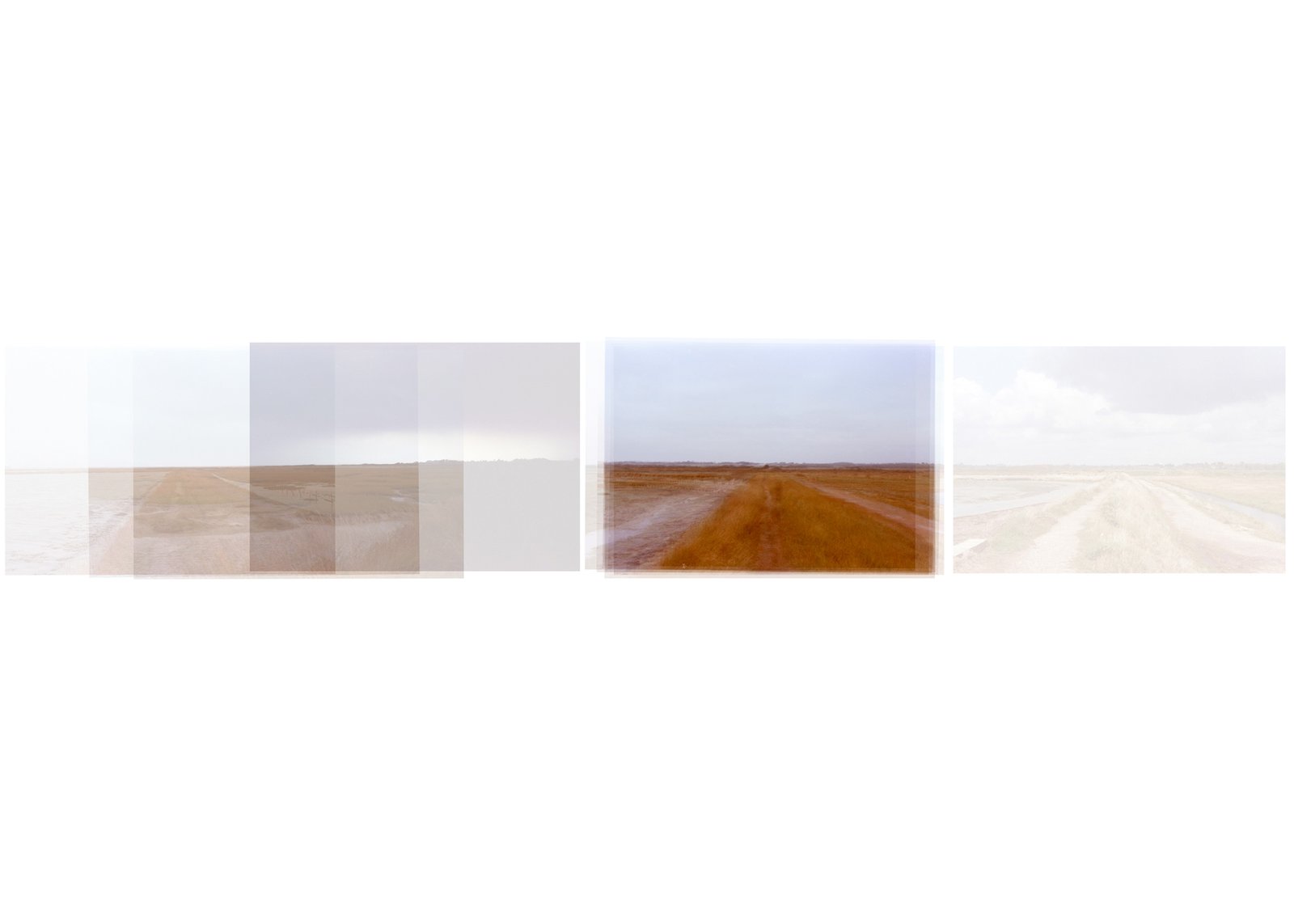
But when he draws the square, he doesn’t know what he’ll find at the point of arrival. That’s because a line of flight is also an escape from knowledge and habit and accustomed ways of seeing. If you knew what you would find, it wouldn’t be flight. You draw a line and what you find at the end of it is what you faithfully reproduce, without editing or censorship or exercising choice. It’s a carefully plotted arbitrariness, with no origin or return, an unending line punctuated only by your own cartographic markers. So your panoramas are created out of specific moments which arise at hazard: whatever’s there is what you bring back to show. In place of the picturesque, you show the drama of the sky, of eighty skies, captured at each point where road and square intersect. You buy a spy camera on eBay and, attached to your glasses, it takes a picture of the road every kilometre. Man and machine, eye and lens – the artist as cyborg, programmed to respond at pre-set intervals. Landscape and sky rendered as they offer themselves at designated moments and knitted together into a single looped narrative.
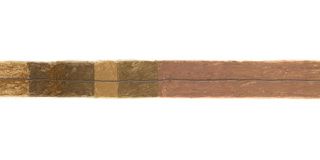
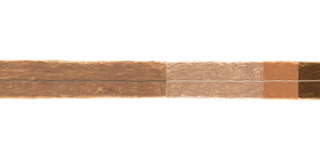
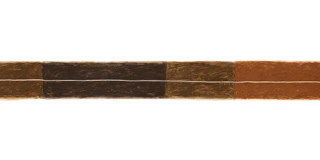
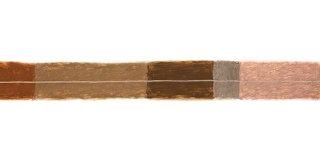
The borders of the square don’t answer to any national or political boundaries, though these exist as a template to define the distance to be covered. Instead, they are spaces between places, liminal, where anything can happen. They deterritorialise the terrain, which the artist has to claim in other ways. By collecting the earth, handfuls of mud from each corner, stored and labelled and driven back to his studio in Porto Alegre. Mud as embodiment of place, the primal matter of creation. And along with the mud, the artist’s body moves through space, following the line, on the line. The hands that will coax new meanings out of old matter. A nomad body, constantly in motion, an embodiment of its own artistic process.
In the studio, mud becomes paint, becomes paintings. Four squares of mud-paint hang on the wall, punctuated by gold dots at carefully plotted intervals. Everything is both random and subject to computation. Isn’t that like the earth itself? Like evolution? Creation emerging out of formlessness, because beneath it all there’s a formula, a grand plan. An Intelligent Design? And in the studio too, four big balls of mud appear, each one a different colour. The artist’s archive contains many balls of mud, as well as a previous series, Earthly Spheres. Mud balls are a theme in the work, returning us always to the question of materials, materiality, to what it is an artist does when she or he creates art. The relationship between the making and the made object, the hand and the imagination, matter and spirit. These four spherical paintings look like the world seen from space, but undifferentiated, like four prototypes of a world-in-process. Then, before making any other mark, before continents and oceans, the Maker lays one square of gold leaf on each globe. Rio Grande do Sul. A point in the South becomes the single pole of a remade world.
Next to the four square paintings, the four spherical paintings and the looped road/sky montage, there’s the projection of four panoramic videos, one from each corner of the square. It looks like four vertical moving widows, each looking out on a different landscape. It’s mostly sky and about a quarter earth, and sometimes the horizon in one flows seamlessly into the next so your eye is carried forward in a continuous movement. The changing light, from broad day to twilight to dawn, creates the effect of movement in time. Time and space coalesce in a line of flight that dissolves the boundaries between them, placing us in an elsewhere. Is the landscape passing us by, or are we passing through it? Two horizons, two suns in adjacent skies. The horizontal line leads the eye across, while sometimes a road leads away from us, a “ligne de fuite” disappearing into the distance, dwindling into its own vanishing point.
Lines, spheres, squares, landscape, sky, earth, gold leaf, digital images, the stuff of this installation. Moving between modes of seeing and embodying, between abstract and concrete, the artist performs on our behalf the act of cultural translation which is the basis of our common perception of the world. It starts with a square and leads in as many directions as we care to follow, lines of flight that carry us away, that set us free.
Jane Bryce
Professor of African Literature and Cinema, University of the West Indies, Barbados
Pensamentos aleatórios em torno de um quadrado
Tudo começa com um quadrado desenhado sobre um mapa, quatro cantos conectados por quatro linhas impostas, como uma moldura, sobre uma cartografia preexistente. Penso no artista caminhando, velejando, penso na sua relação com os mapas. Sua necessidade de direção, de estruturas que criem limites e definam um espaço. Para um artista isso poderia ser o espaço em branco de uma tela onde algo, que não sabemos, vai surgir.
Rio Grande do Sul: uma grande tela. O artista, ficamos sabendo, “lives and works in Porto Alegre and London”. Um artista navegante, perpetuamente encontrando seu caminho entre uma ilha e um continente, entre línguas, cidades e culturas. Entre pontos diferentes da bússola, Sul e Norte, carregado com todas as viagens anteriores ao longo dessa trajetória. Outrora, traçar mapas era uma forma de subjugar povos selvagens. Agora? Aqui? Remapear tornou-se tradução intercultural. Eu vejo o viajante como um nômade movendo-se ao longo das quatro linhas do seu quadrado, do seu próprio horizonte, procurando pelos cantos que tocam as arestas extremas, as fronteiras do Rio Grande do Sul. Uma até cruza a água. Os quatro cantos da Terra, em linha reta. Linhas de fuga, pontos de chegada.
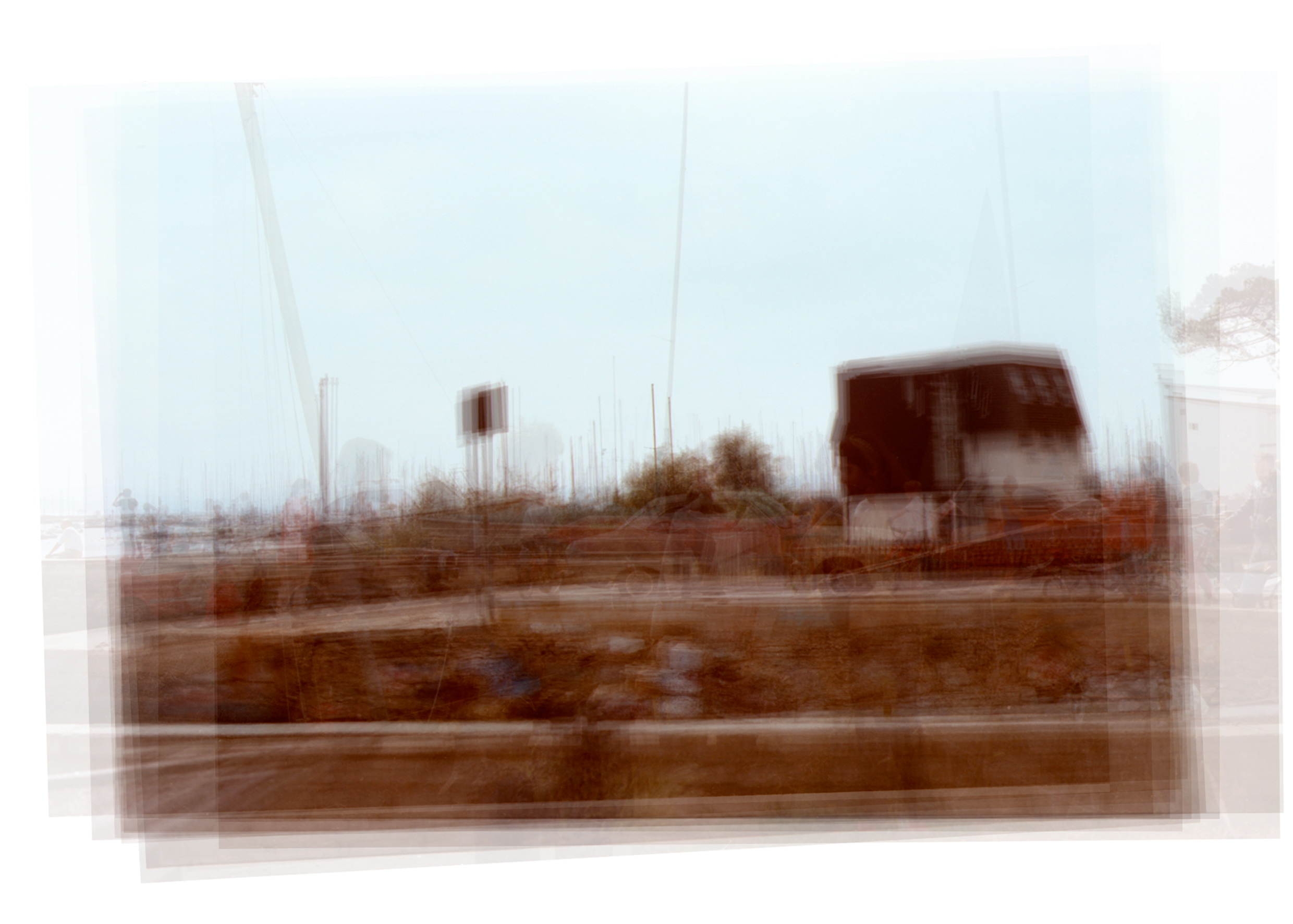
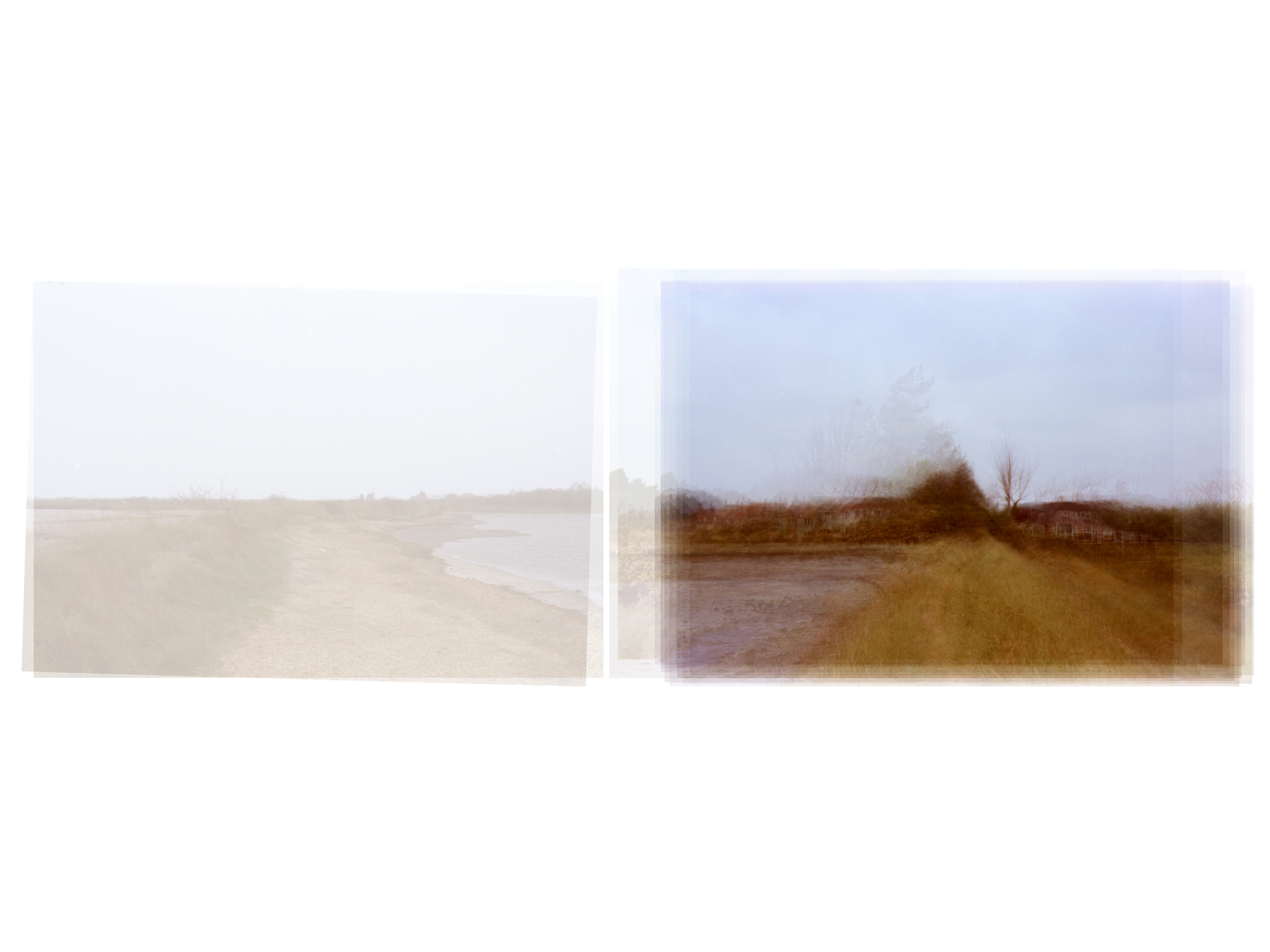
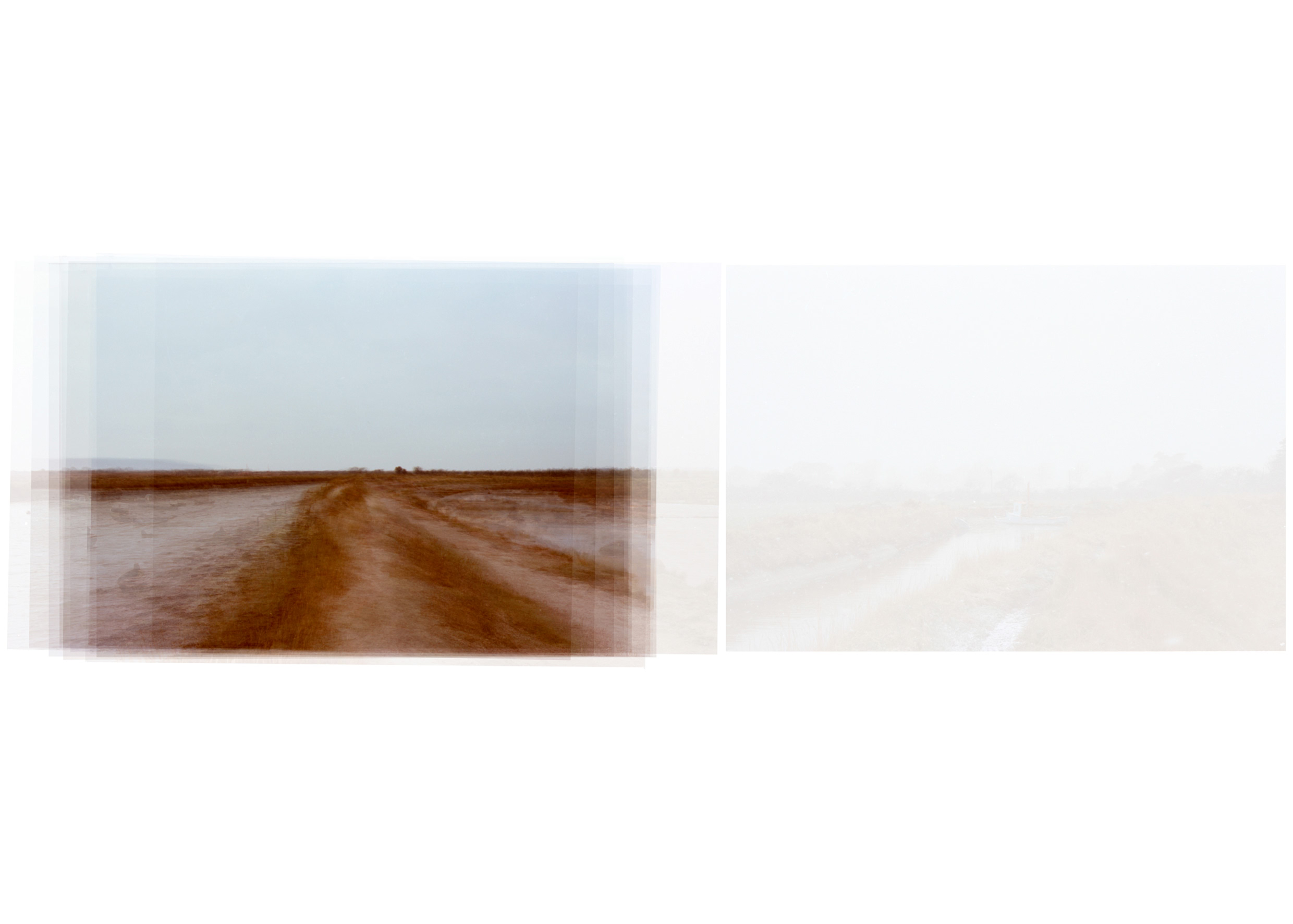
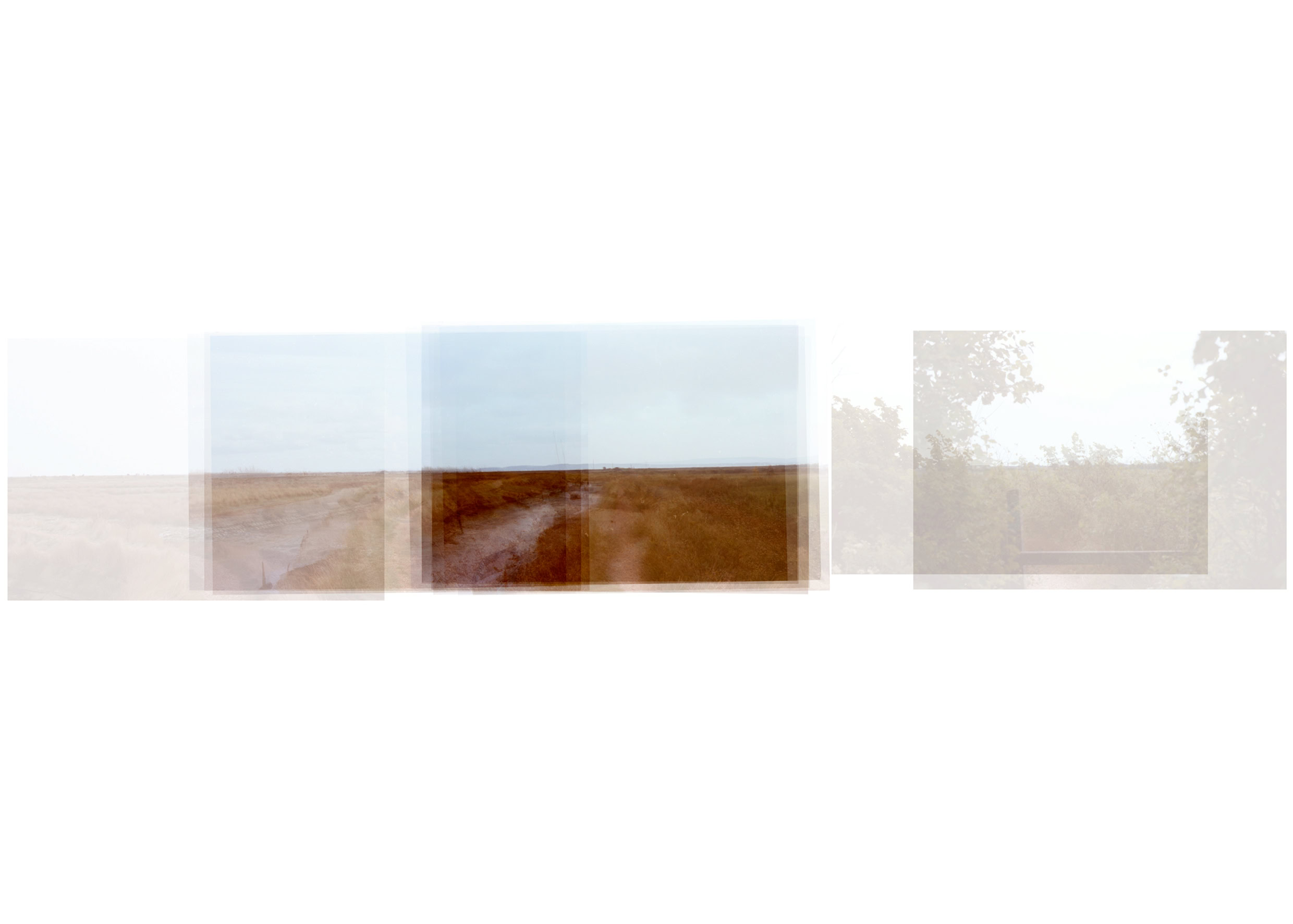
Mas quando ele desenha o quadrado, não sabe o que vai encontrar no ponto de chegada. Isso é porque uma linha de fuga é também uma fuga do conhecimento e dos costumes, e do modo habitual de ver. Se você soubesse o que iria encontrar, não seria uma fuga. Você desenha uma linha e o que encontra ao final dela é o que você fielmente reproduz, sem edição ou censura ou escolhas. É uma cuidadosa arbitrariedade planejada, sem origem ou retorno, uma linha sem fim, pontuada apenas por suas próprias marcas cartográficas. Assim, seus panoramas são criados a partir de momentos específicos que surgem ao acaso: o que está lá é o que você traz de volta para mostrar. No lugar do pitoresco, você mostra o drama do céu, de oitenta céus, capturados a cada ponto onde a estrada e o quadrado intersectam-se. Você compra uma “câmara espiã” no eBay e, com ela presa a seus óculos, tira fotos da estrada a cada quilômetro. Homem e máquina, olhos e lentes – o artista como cyborg, programado para responder a intervalos predeterminados. Paisagem e céu retratados como eles se apresentam em designados momentos e entrelaçados em uma única narrativa em looping.
As fronteiras do quadrado não atendem a qualquer fronteira nacional ou política, ainda que existam como um modelo para definir a distância a ser coberta. Pelo contrário, são espaços entre lugares, liminares, onde tudo pode acontecer. Elas desterritorializam o terreno, que o artista tem que reivindicar de outra forma: ao coletar terra, punhados de barro de cada canto, que são armazenados, etiquetados e levados para seu ateliê em Porto Alegre. Barro como encarnação de um lugar, a matéria primordial da criação. E junto com o barro, o corpo do artista percorre o espaço, seguindo a linha na linha. As mãos que irão extrair novos sentidos da velha matéria. Um corpo nômade, constantemente em movimento, uma personificação de seu próprio processo artístico.
No ateliê o barro vira tinta, torna-se pintura. Quatro quadrados de barro/tinta estão na parede, marcardos por pontos dourados a intervalos cuidadosamente planejados. Tudo é ao mesmo tempo aleatório e sujeito ao cálculo. Isso não é como a própria Terra? Como a evolução? A criação emergindo sem forma, porque por baixo de tudo há uma fórmula, um grande plano. Um Projeto Inteligente? E no ateliê também, quatro bolas de barro surgem, cada uma de cor diferente. O arquivo do artista contém muitas bolas de barro, como na série anterior, Esferas Terrestres. Bolas de barro são um tema no trabalho, levando-nos sempre de volta para a questão dos materiais, da materialidade, do que um artista faz quando ela ou ele cria arte. A relação entre o fazer e o objeto feito, a mão e a imaginação, a matéria e o espírito. Estas quatro pinturas esféricas parecem o mundo visto do espaço, mas indiferenciadas, como quatro protótipos de um mundo-em-processo. Então, antes de fazer outra marca, antes dos continentes e oceanos, o Criador coloca um quadrado de folha de ouro em cada globo. Rio Grande do Sul. Um ponto ao sul torna-se o único polo de um mundo refeito.
Perto das quatro pinturas quadradas, das quatro pinturas esféricas e de uma montagem em looping de estrada/céu, há a projeção de quatro vídeos panorâmicos, um para cada canto do quadrado. Parecem quatro janelas verticais em movimento, cada uma com vista para uma paisagem diferente. A maior parte é céu e um quarto é terra, algumas vezes o horizonte de uma flui suavemente na outra, assim seus olhos são levados adiante em movimento contínuo. A mudança da luz, de dia pleno para amanhecer e crepúsculo, cria o efeito de movimento no tempo. Tempo e espaço se fundem em uma linha de fuga que dissolve as fronteiras entre eles, colocando-nos em um outro lugar. É a paisagem passando por nós, ou nós estamos passando por ela? Dois horizontes, dois sóis em céus adjacentes. A linha horizontal leva o olho de lado a lado, enquanto algumas vezes uma estrada distancia-se de nós, uma “ligne de fuite” desaparecendo na distância, diminuindo em direção a seu próprio ponto de fuga.
Linhas, esferas, quadrados, céu, paisagem, terra, folhas de ouro, imagens digitais, a matéria desta instalação. Movendo-se entre os modos de ver e de materializar, entre abstrato e concreto, o artista realiza em nosso nome o ato de tradução cultural que é a base da nossa percepção comum do mundo. Tudo começa com um quadrado e leva a tantas direções quantas quisermos seguir; linhas de fuga que nos transportam para longe, que nos libertam.
Jane Bryce
Professora de Literatura e Cinema Africanos, University of the West Indies, Barbados
Muddy hands mark a blank surface.This ‘primitive’ gesture is followed by rationally drawn lines repeating the previous movement. From the beginning the work deals with opposite forces which stay harmoniously together. Chance and absence of design are contrasted with decision and action over it. The shapes made by parallel lines have a kind of pulsation as a latent action. The lines are made in a regular sequence of gestures, as a dance of which we can see only the traces; this rhythm is recorded on the surface. The energy is distributed equally and symmetrically. The body’s marks are the first pattern to be followed and one of the determinants of the work. With the body as a factor of proportion the resulting shapes are in equilibrium.
The process of repeating just a few elements results in work whose essence is clarity. Simple gestures, movements and lines are repeated to constitute a unity. Every line is meant to be as similar as possible to the previous one; however, this act produces small variations which are also part of the process.The movement is repeated but never identical, as a breath that is constant but never the same.
The choice of non-processed materials like mud and crude oil is related to the choice of pure and basic elements.The colours derive from the nature of the chosen material and the place where it was found rather than from any pictorial decision, as the drawings result from simple movements rather than from any descriptive activity.
The repetition of simple elements may suggest a purely minimal approach to making pictures. In these works, however, the variations and accidents of chance give each work a life and nature of its own.
Maria Lucia Cattani 1994
I use ordinary materials; those discarded from industry and those found in nature. I have used mud, engine oil, soot, differential oil (a very sickly smell) and the tar found on beaches.
I wanted to make pictures which had little to do with anything (I thought) except the movement of my hand, arm, body and the repetition of gesture – the only things one can be certain about.The pictures develop a rhythm of breathing and grow as nature. In tracing my line across the surface, I assert my presence and space in the same way (perhaps) as a young child making its first drawings. Sometimes the repetition leads almost to a trance, like the rhythm of a drummer or the repeated steps of a dancer.
The starting point for the pictures is the scale of the body: the height of one’s reach, the stretch of the arms, and the movement of limbs.There is no intended illusion of scale.The pictures are as big or small as the body and gesture that makes them.
They are not pictures ‘of ’ anything. They are records of an activity – the repeated movement of the human body – traces of movement through time.The arm rotates on its axis, or is disciplined in horizontal or vertical activity. Very few decisions have to be made – where to start, where to finish, when to reload the brush, whether to compensate for the irregularities which may occur, for instance in the drawing of a circle, or to let the shapes grow organically according to elements of chance.
I seldom know how a picture will look before I start. A few simple ‘rules’ are fixed - then it is simply a matter
of ‘performing’ the picture. It is always a surprise at the end, and the same rules can be repeated over again with different results.
Nick Rands 1994
If I stretch my arms next to the rest of myself and wonder where my fingers are - that is all the space I need as a painter.
Willem de Kooning.What Abstract Art MeansTo Me. 1951
Why have I blackened my square with a pencil? Because it is the humblest act the human sensibility can perform.
Kasimir Malevich
If the supply of working materials runs out, go down to
the beach and make lines in the sand with a bamboo stick, draw on the dry ground with a stream of piss, draw in the empty air the pattern of birdsong, the sound of water and wind and cartwheels and the humming of insects, and let the wind and water sweep it all away afterwards, but act from the conviction that all these pure devisings of my mind will magically and miraculously find an echo in the minds of others.
Joan Miró
.... I have always maintained that you did not need complicated and expensive apparatus to produce a work of art. You could go in the back yard and scrape up some mud and put it on some board the builders had left behind.
Roger Hilton 1974
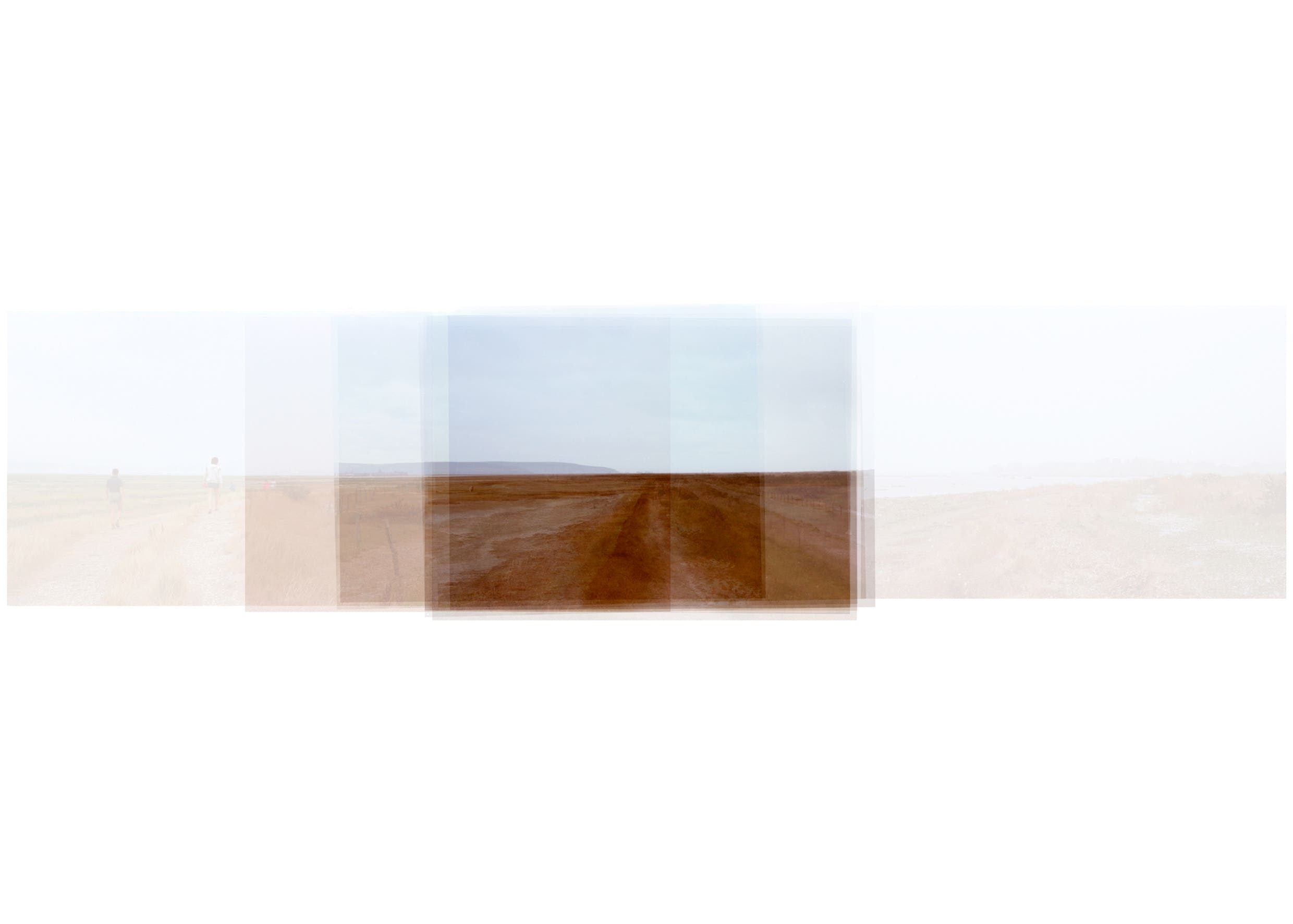
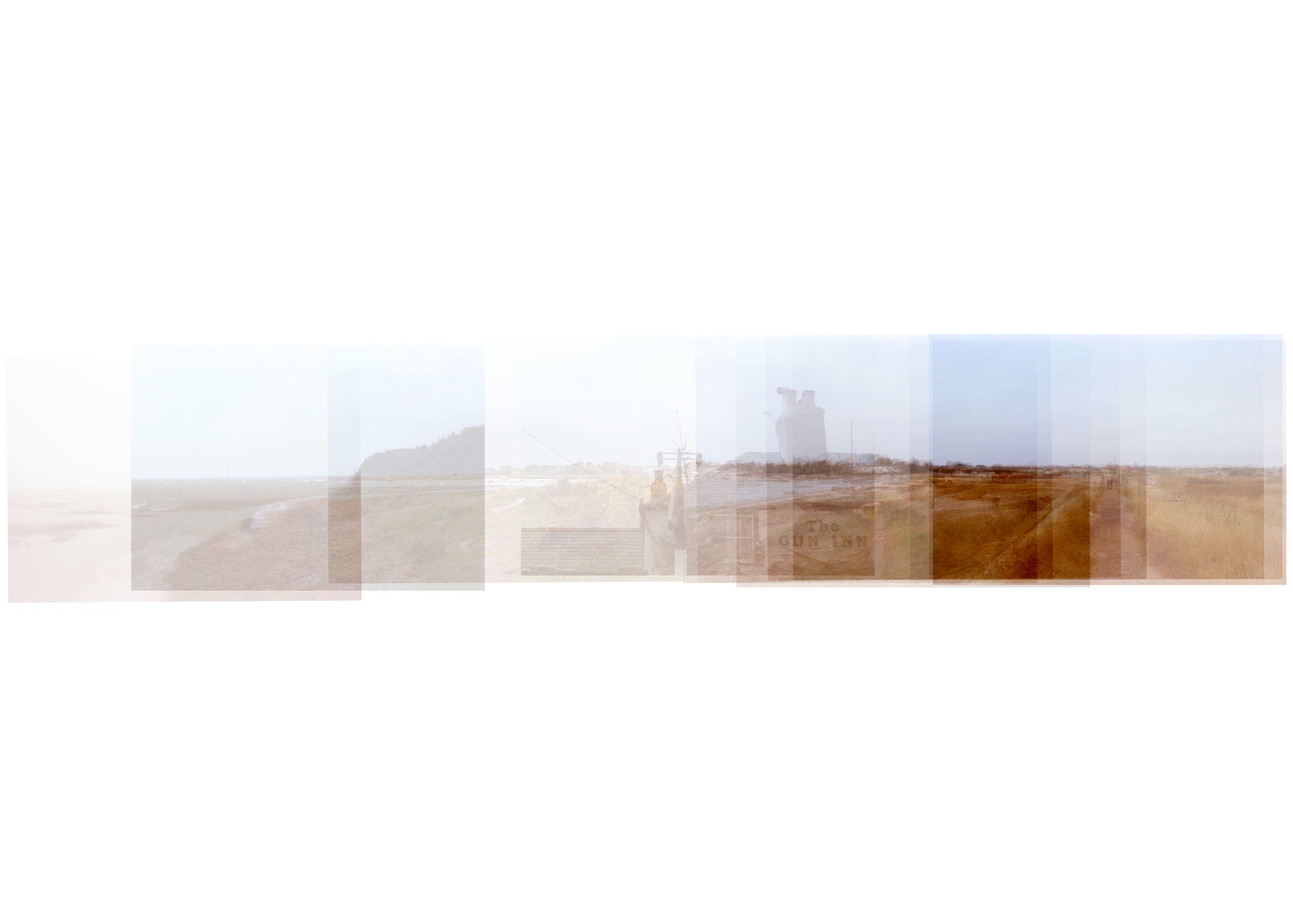
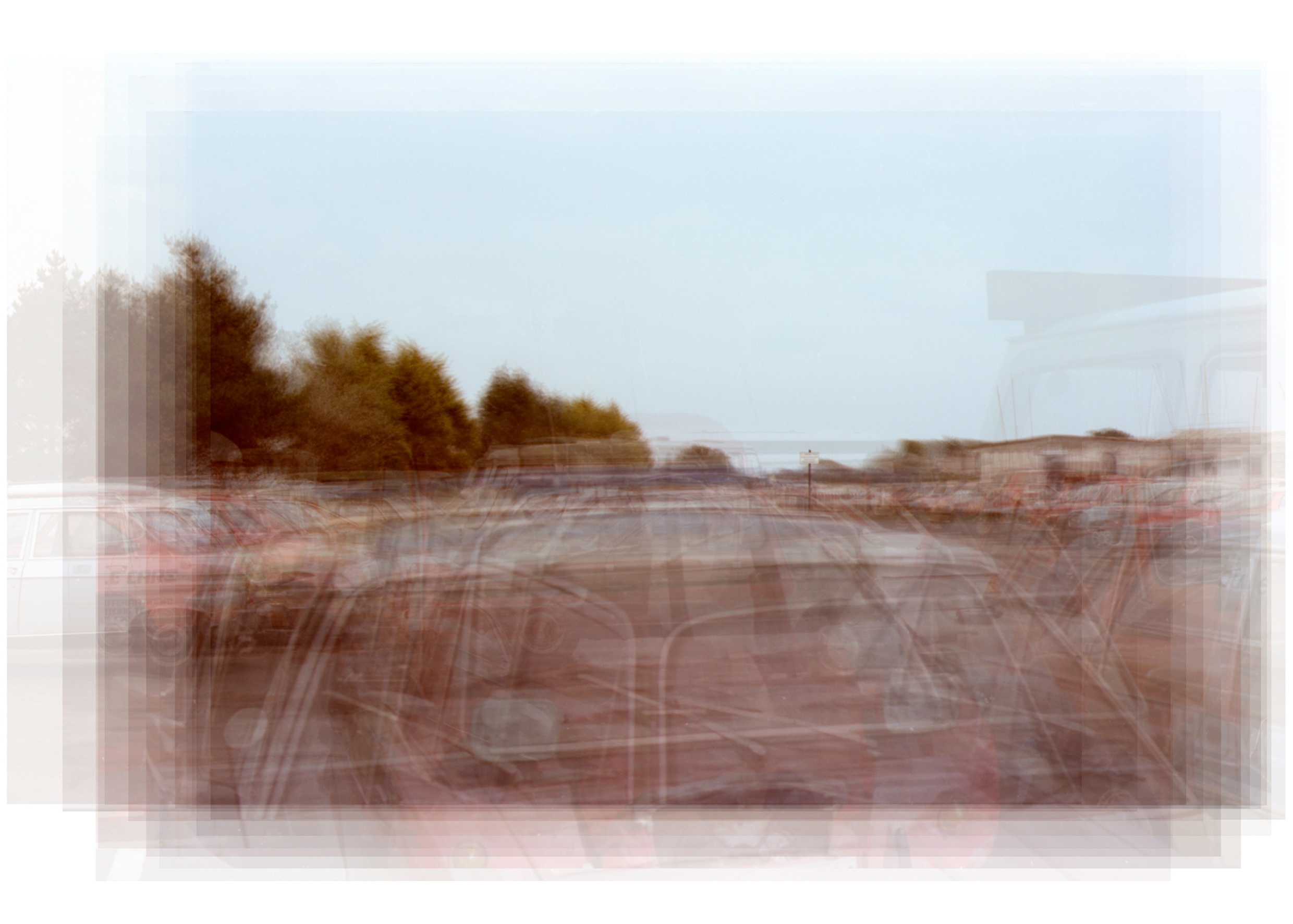
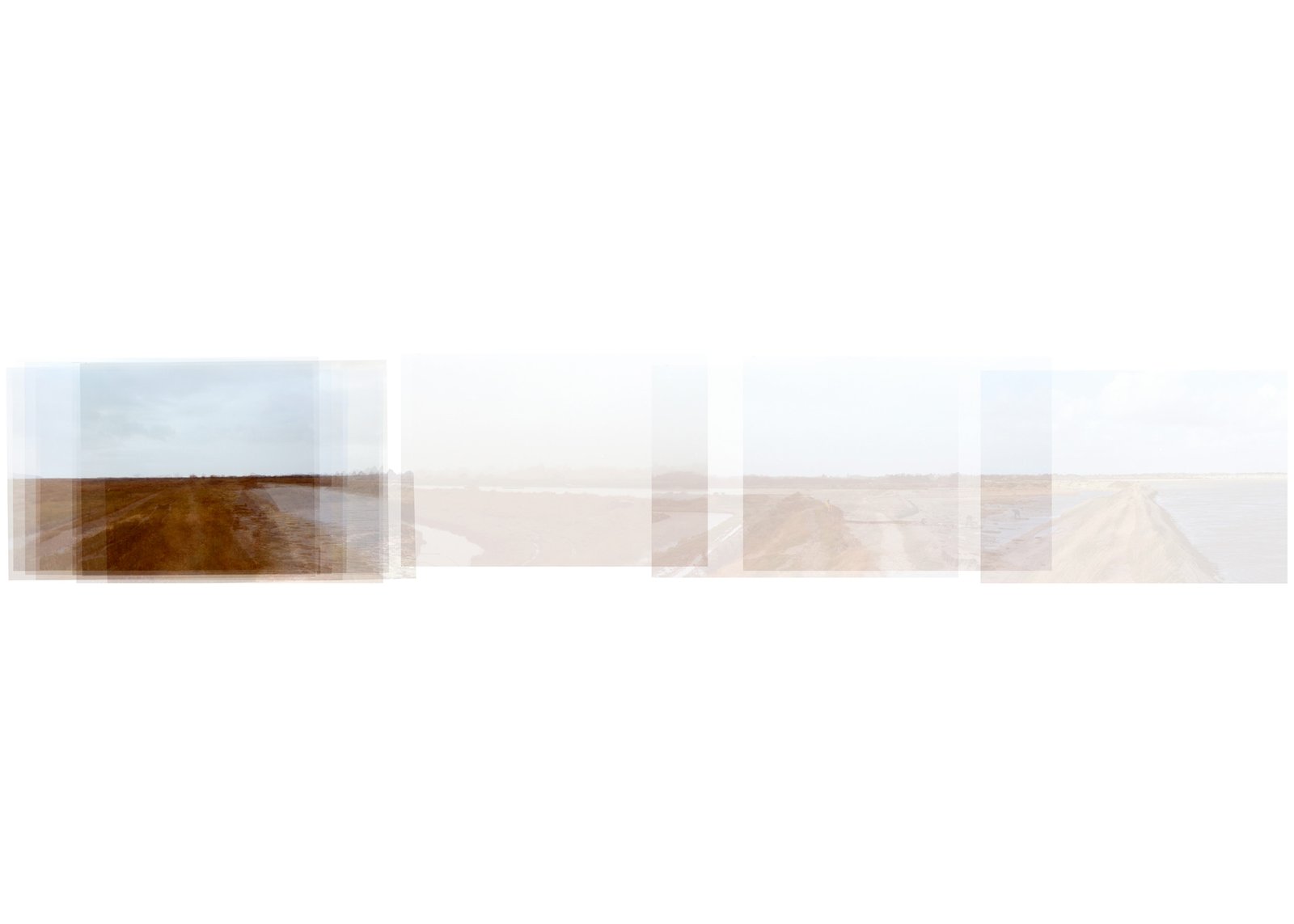
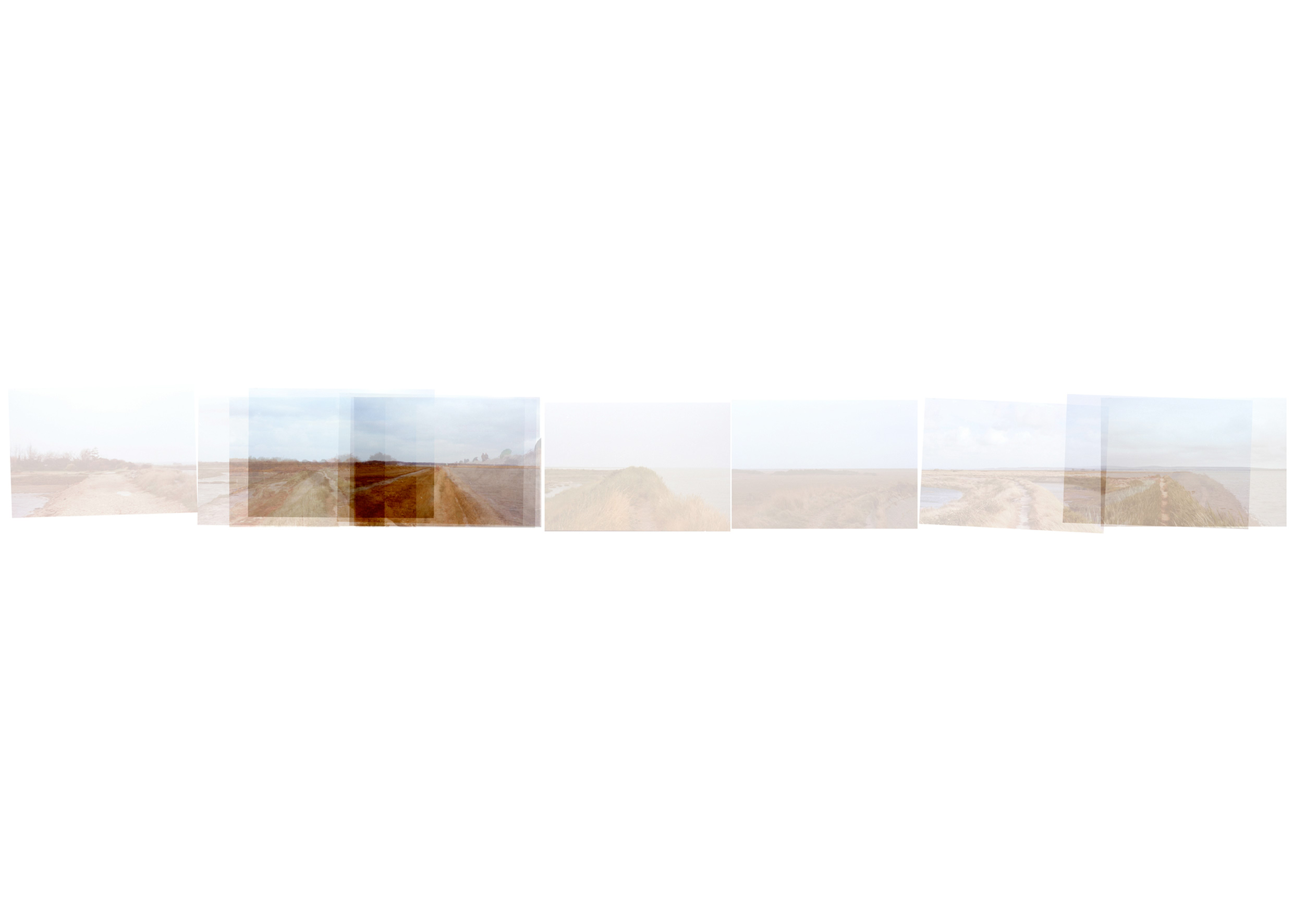
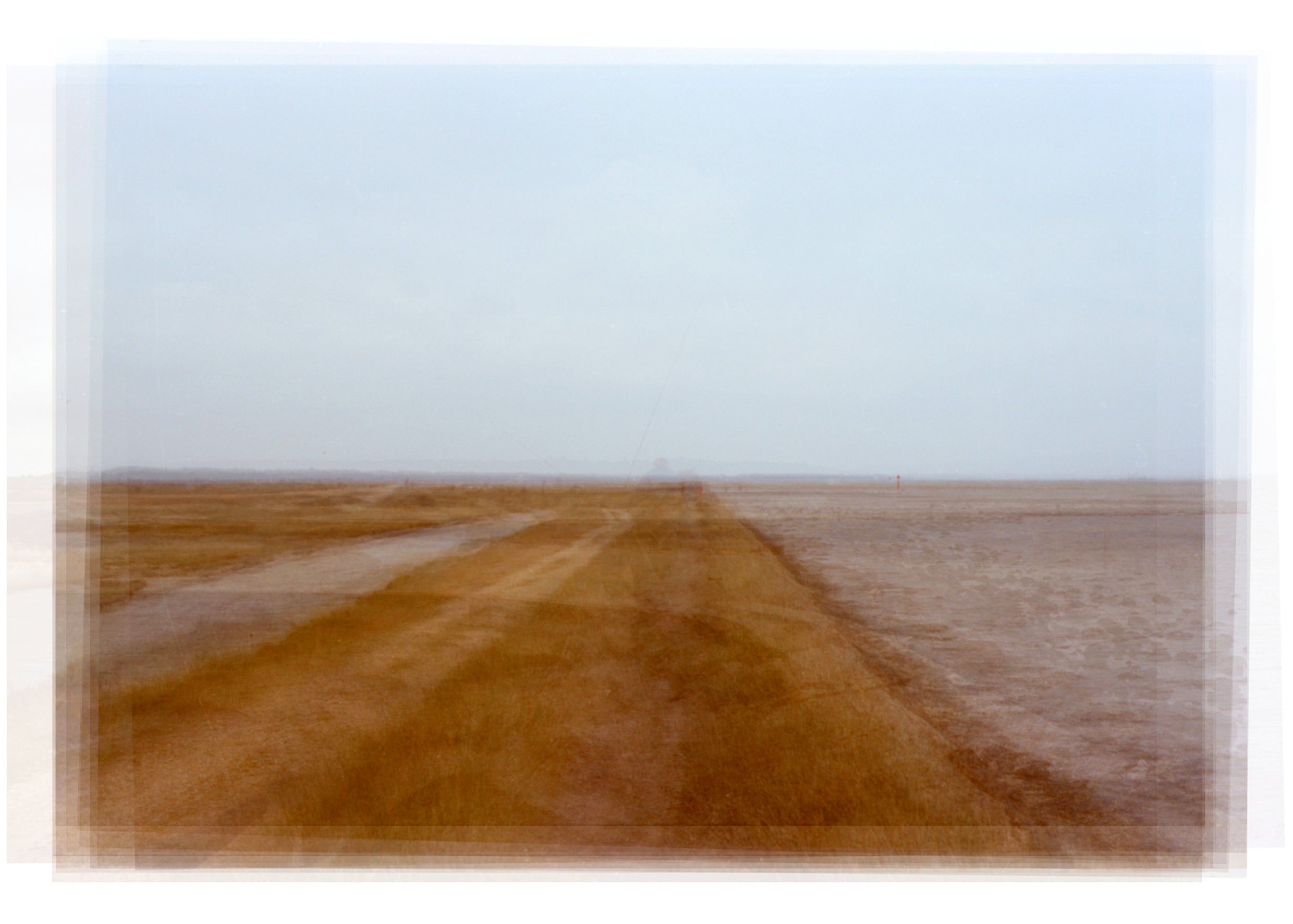
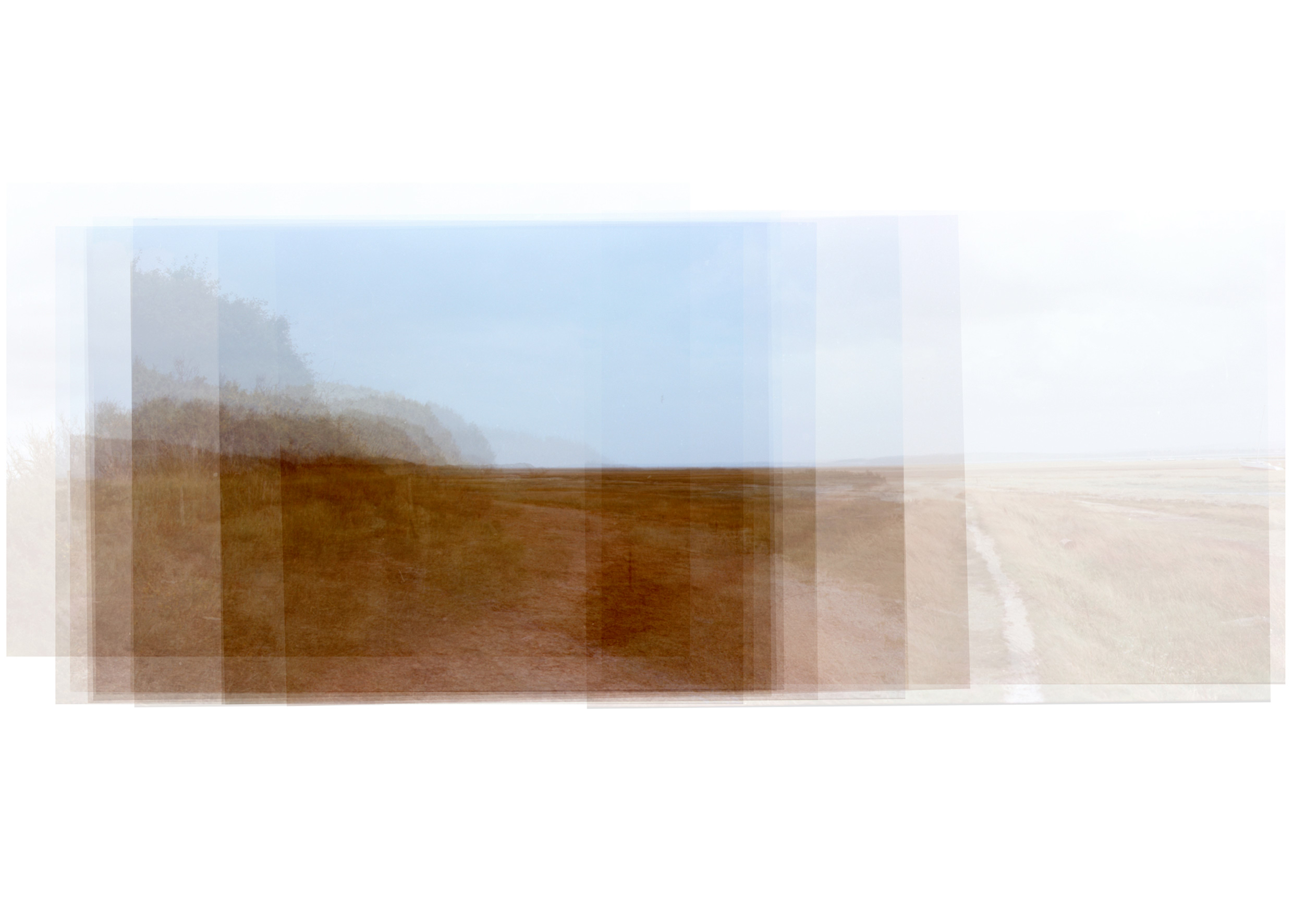
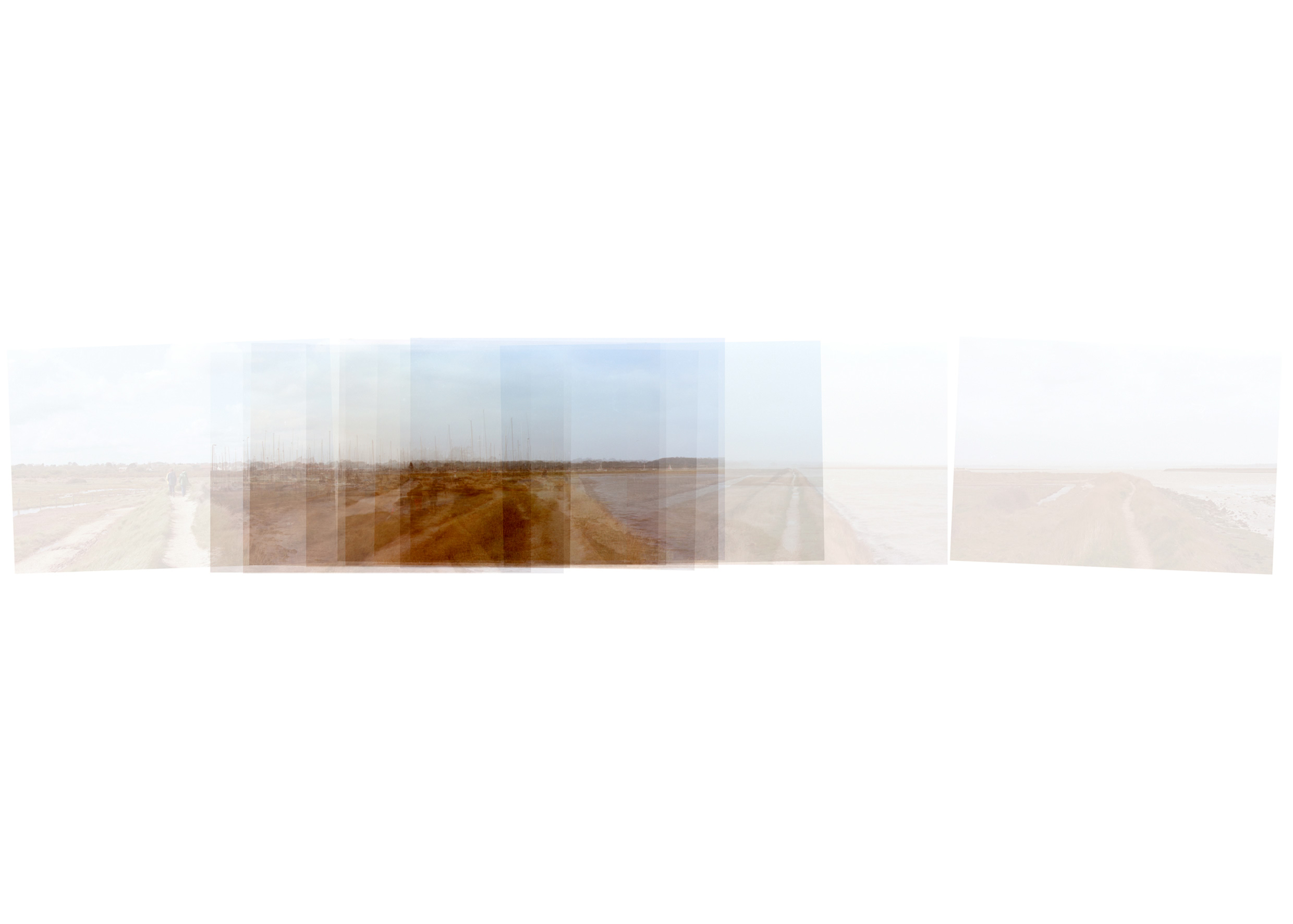
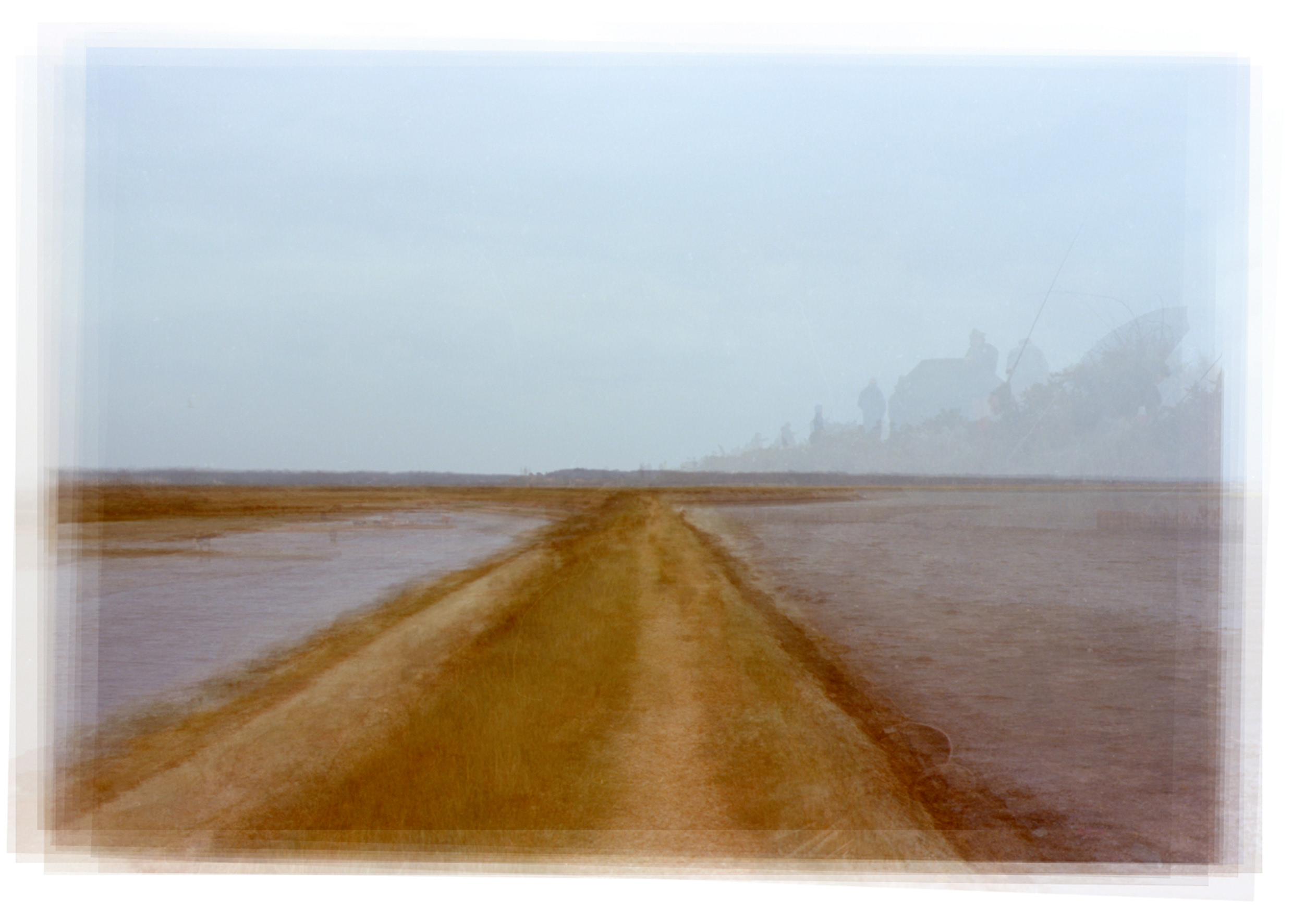
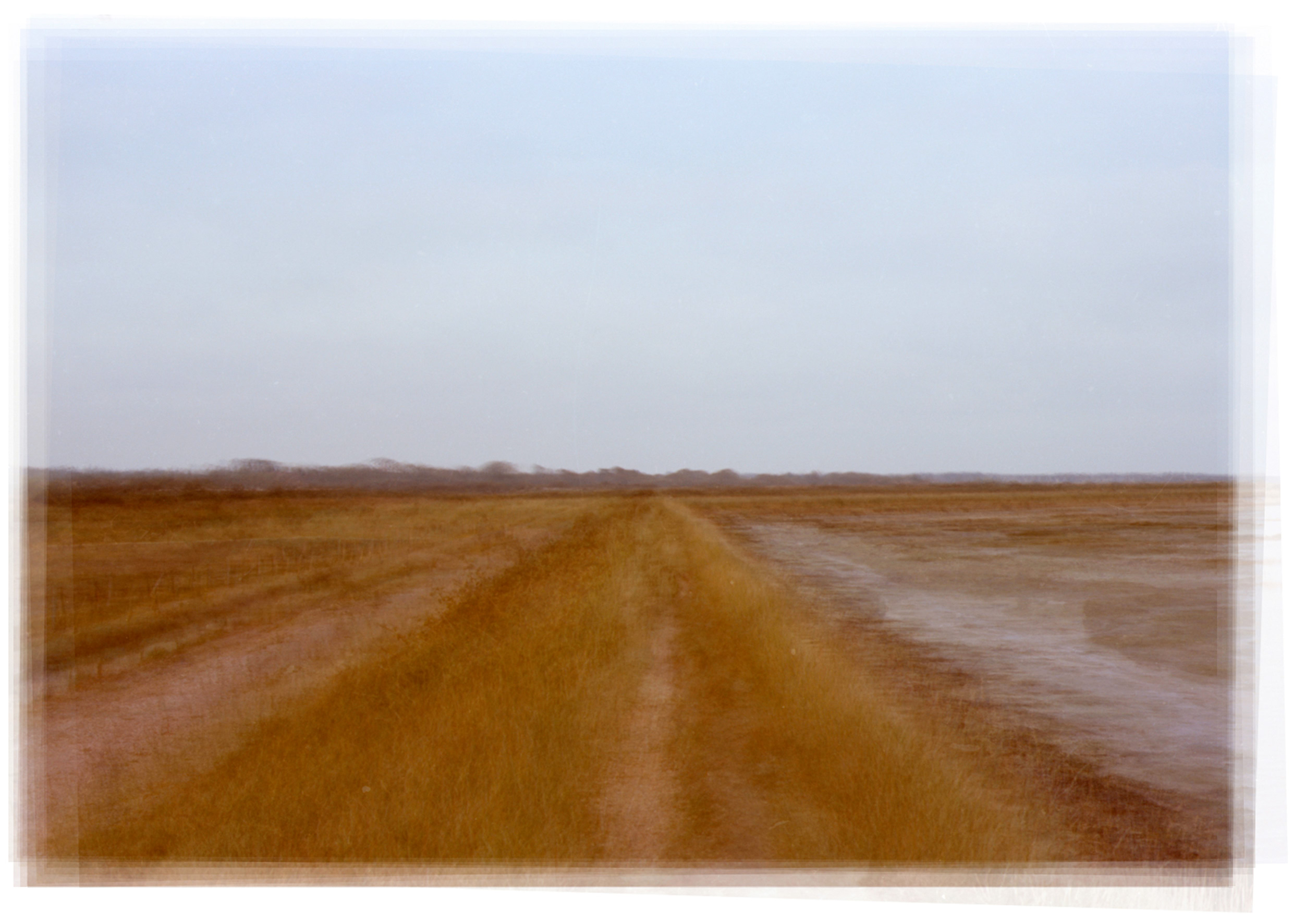
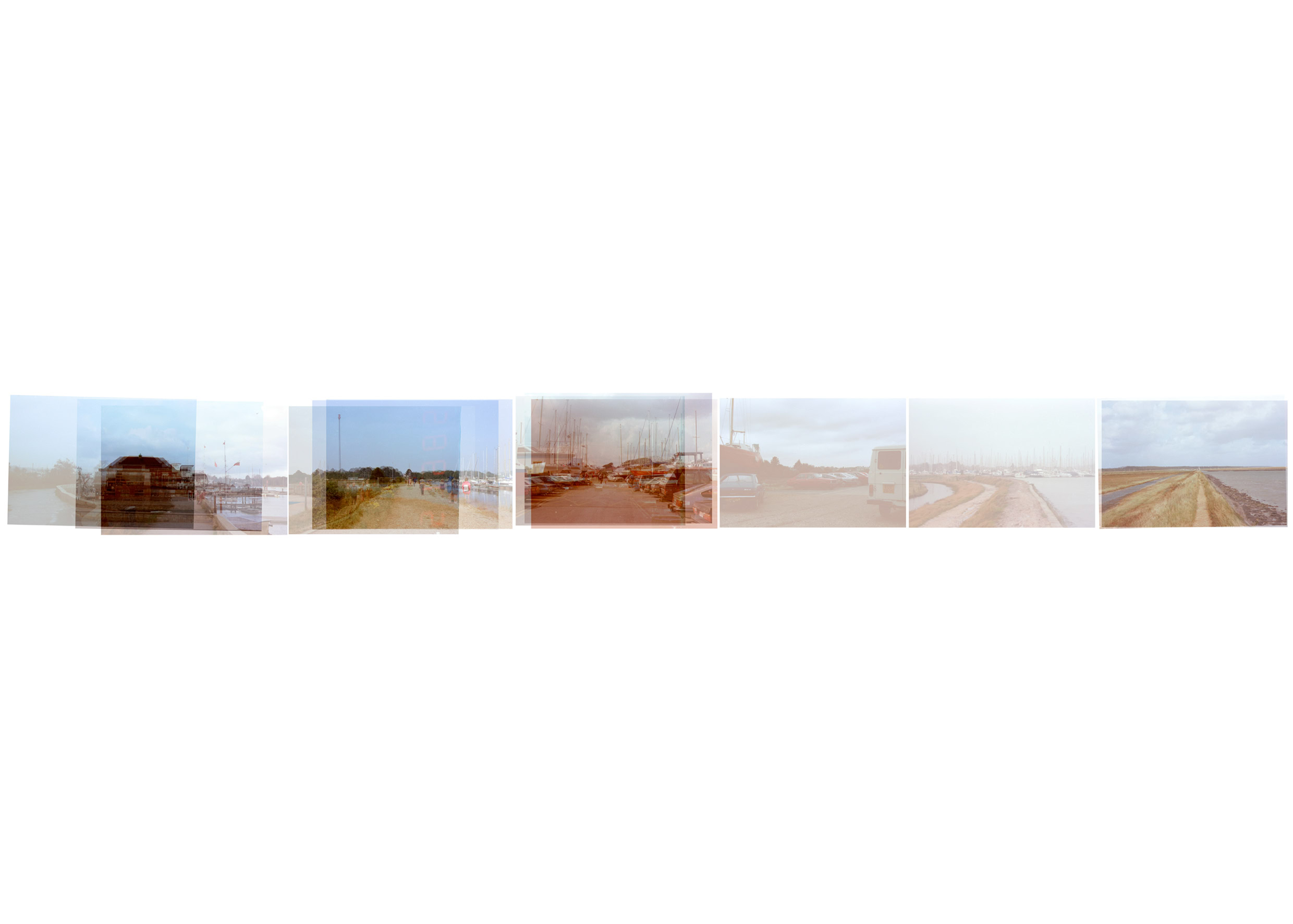
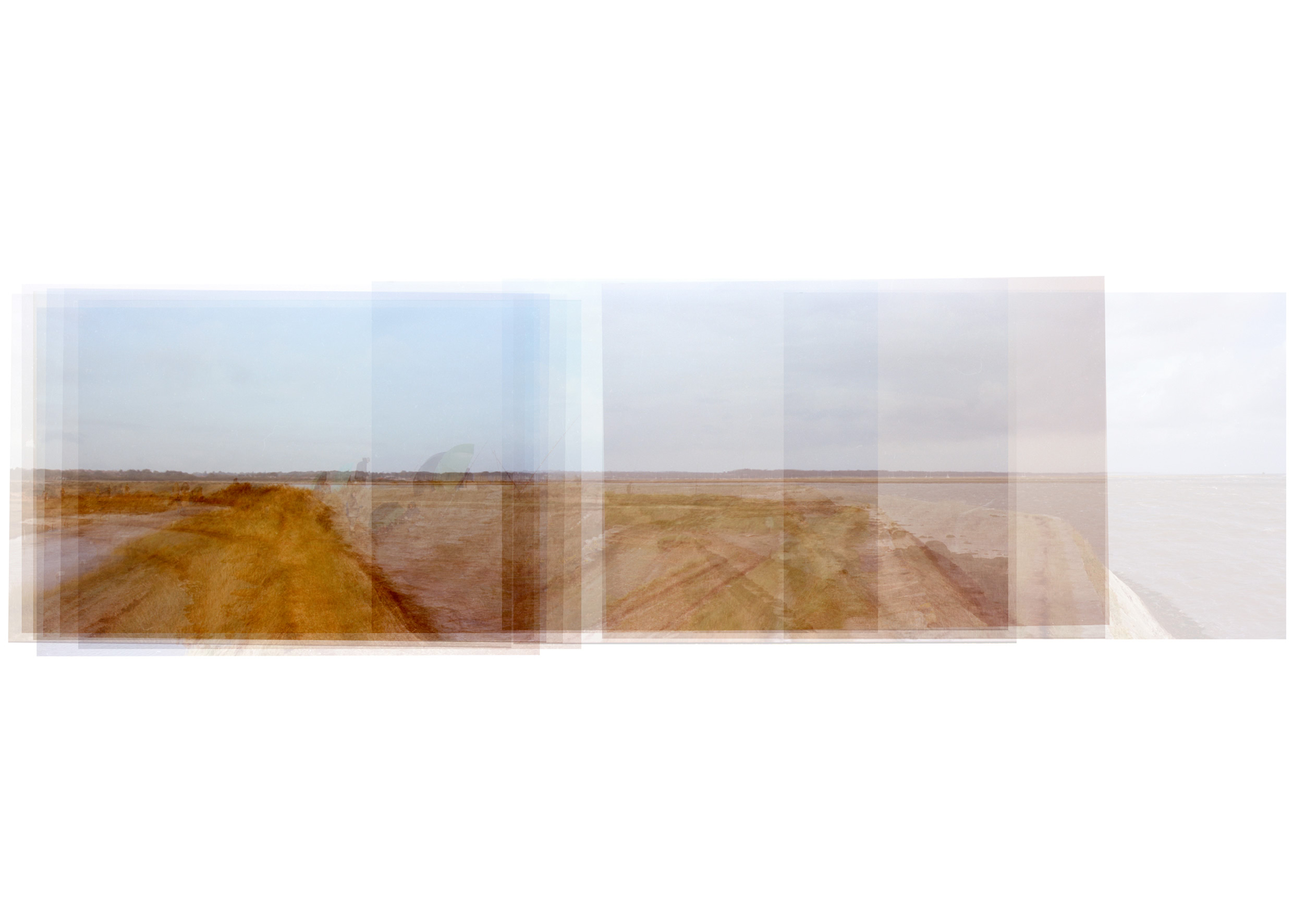
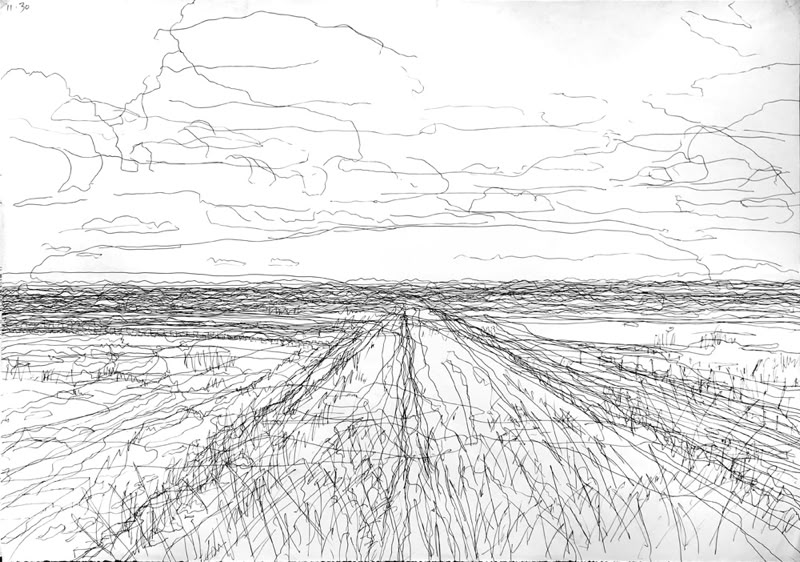
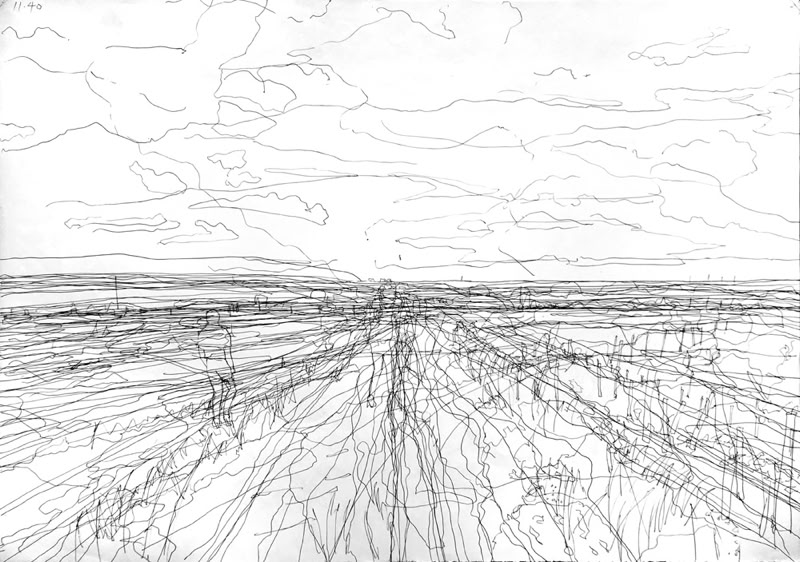
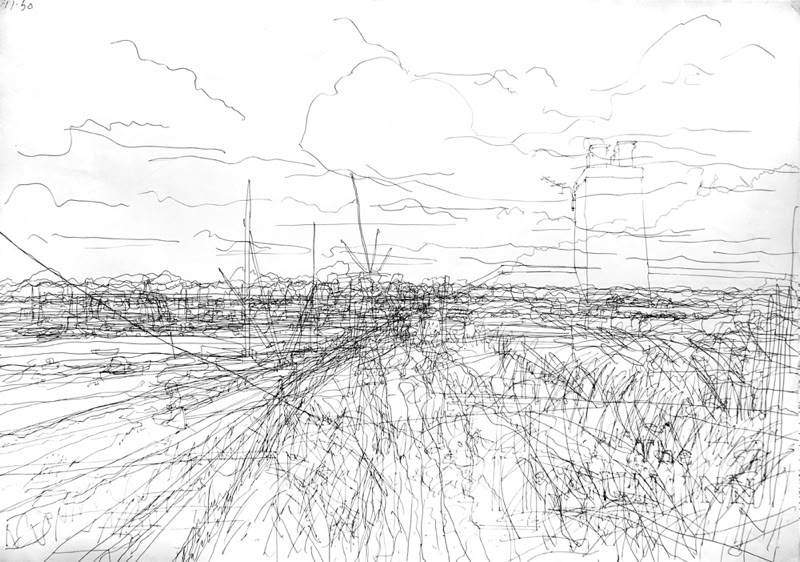
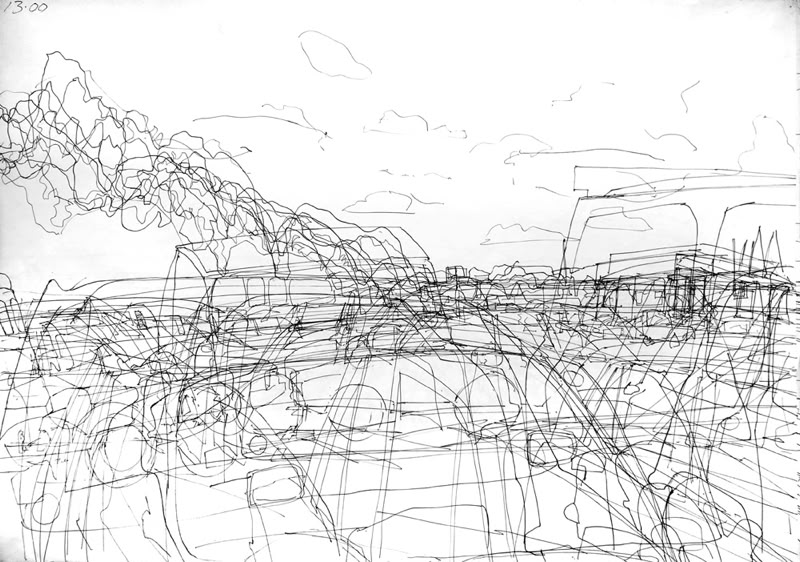
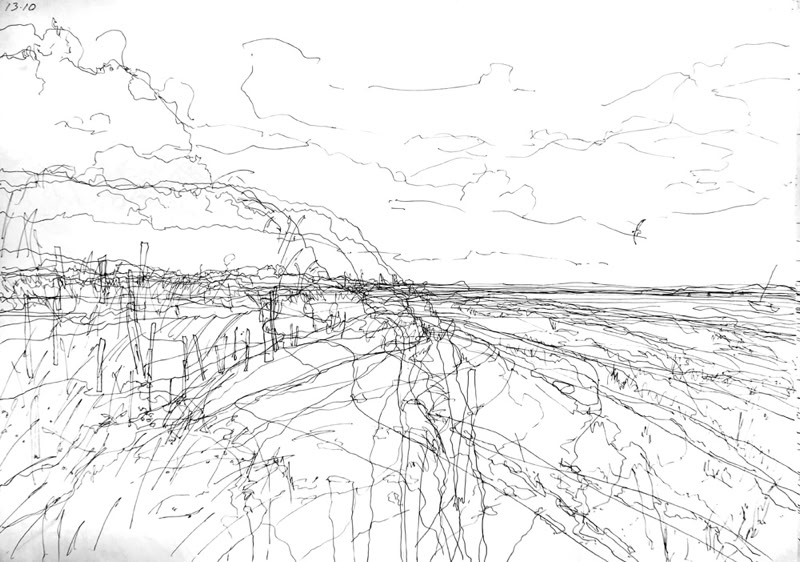
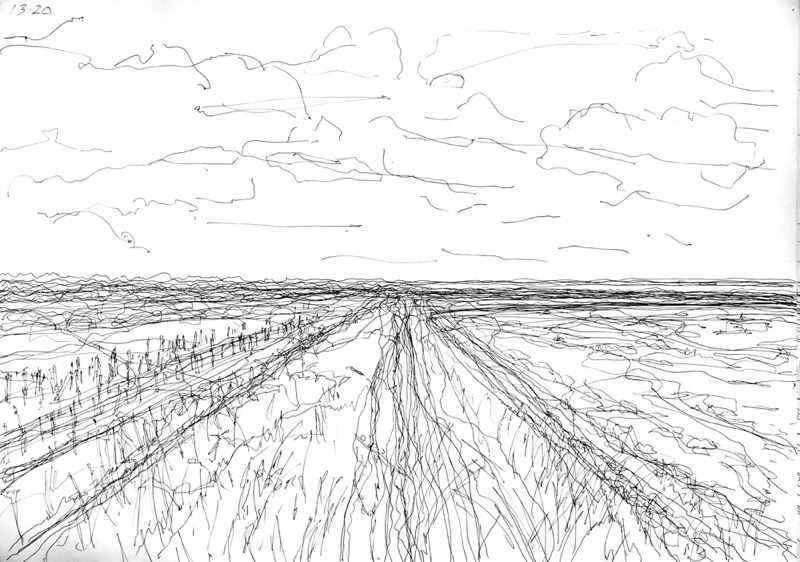
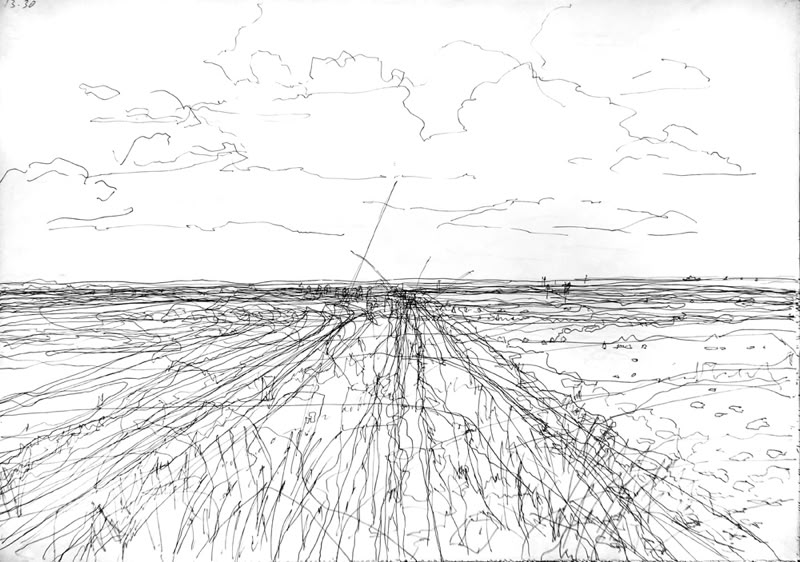
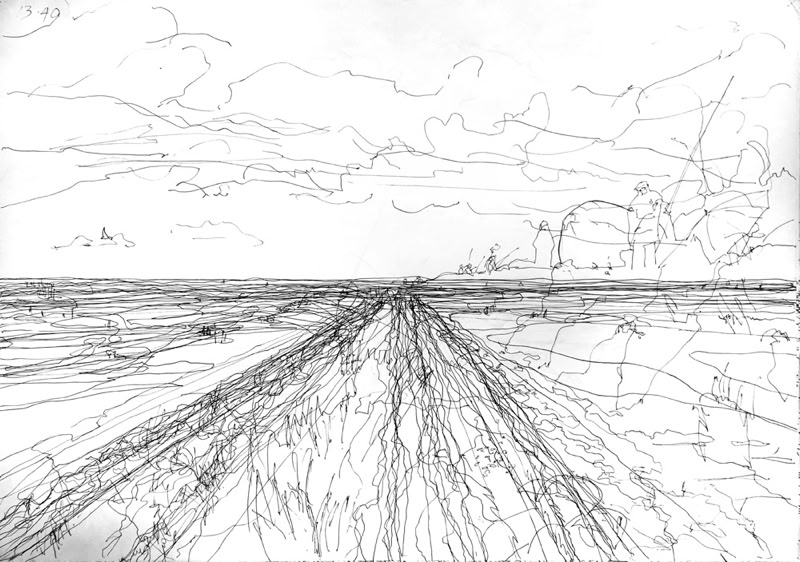
WEST SOLENT COASTLINE RHYTHM and related works 1982 – 2022
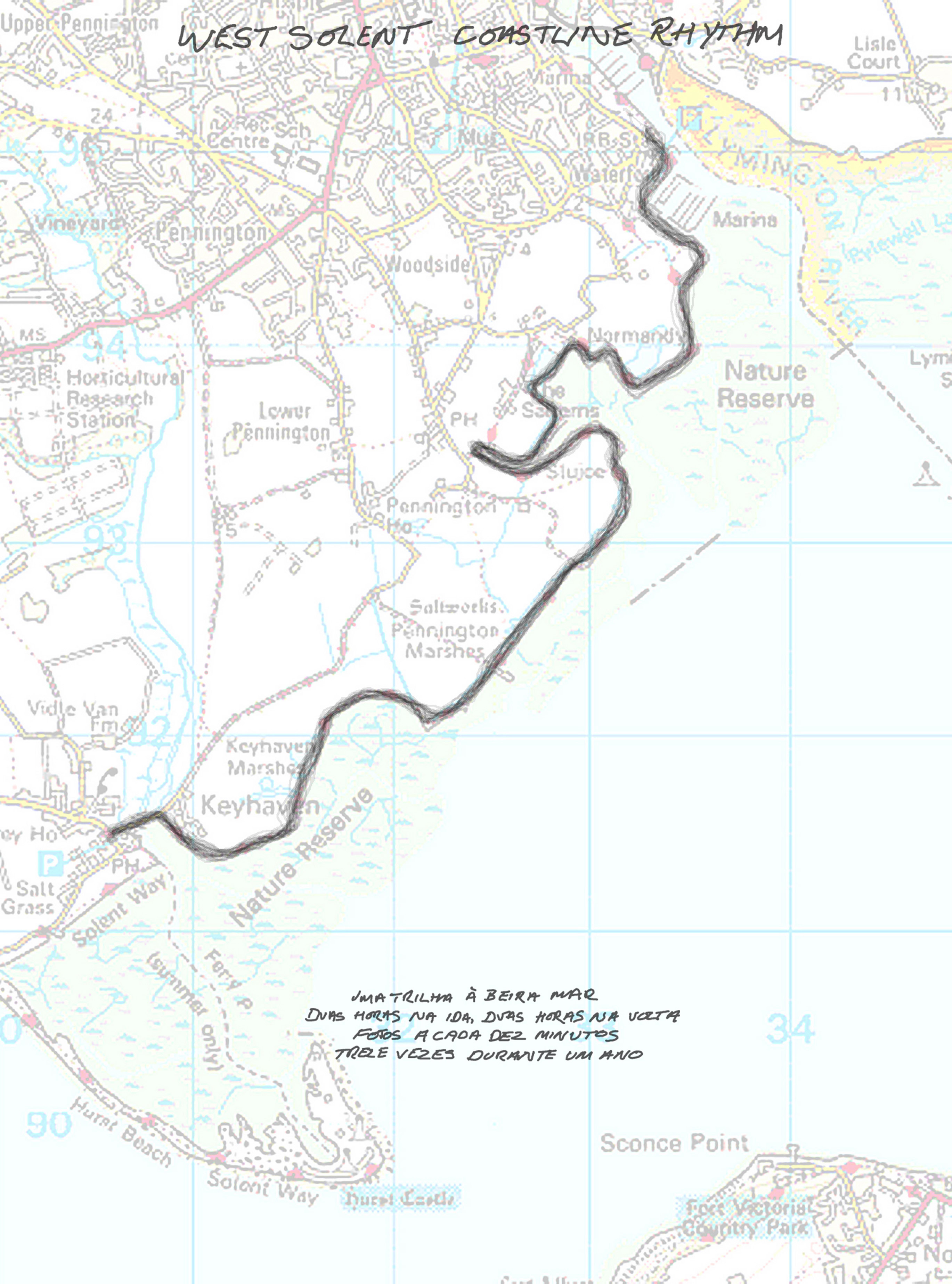
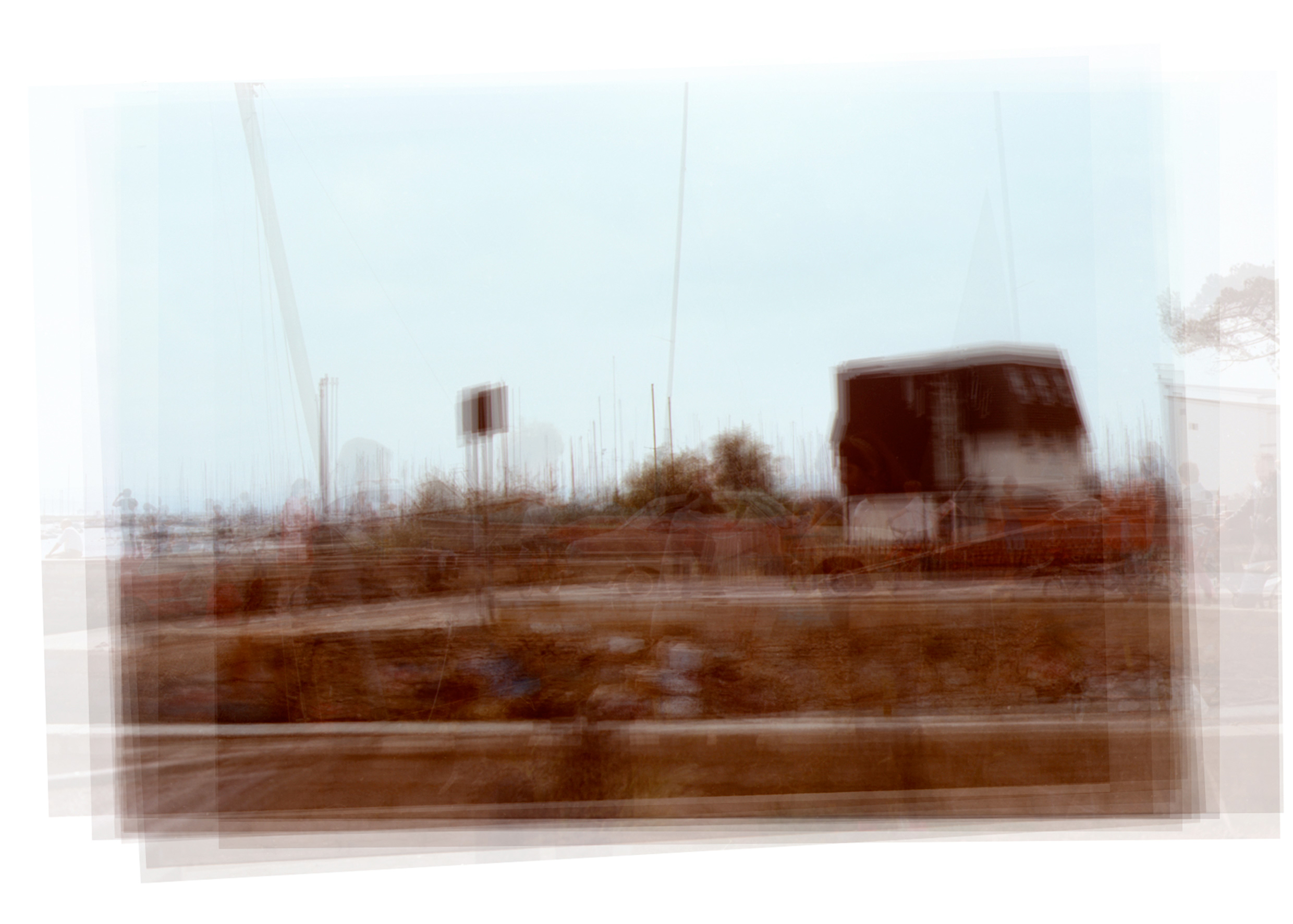
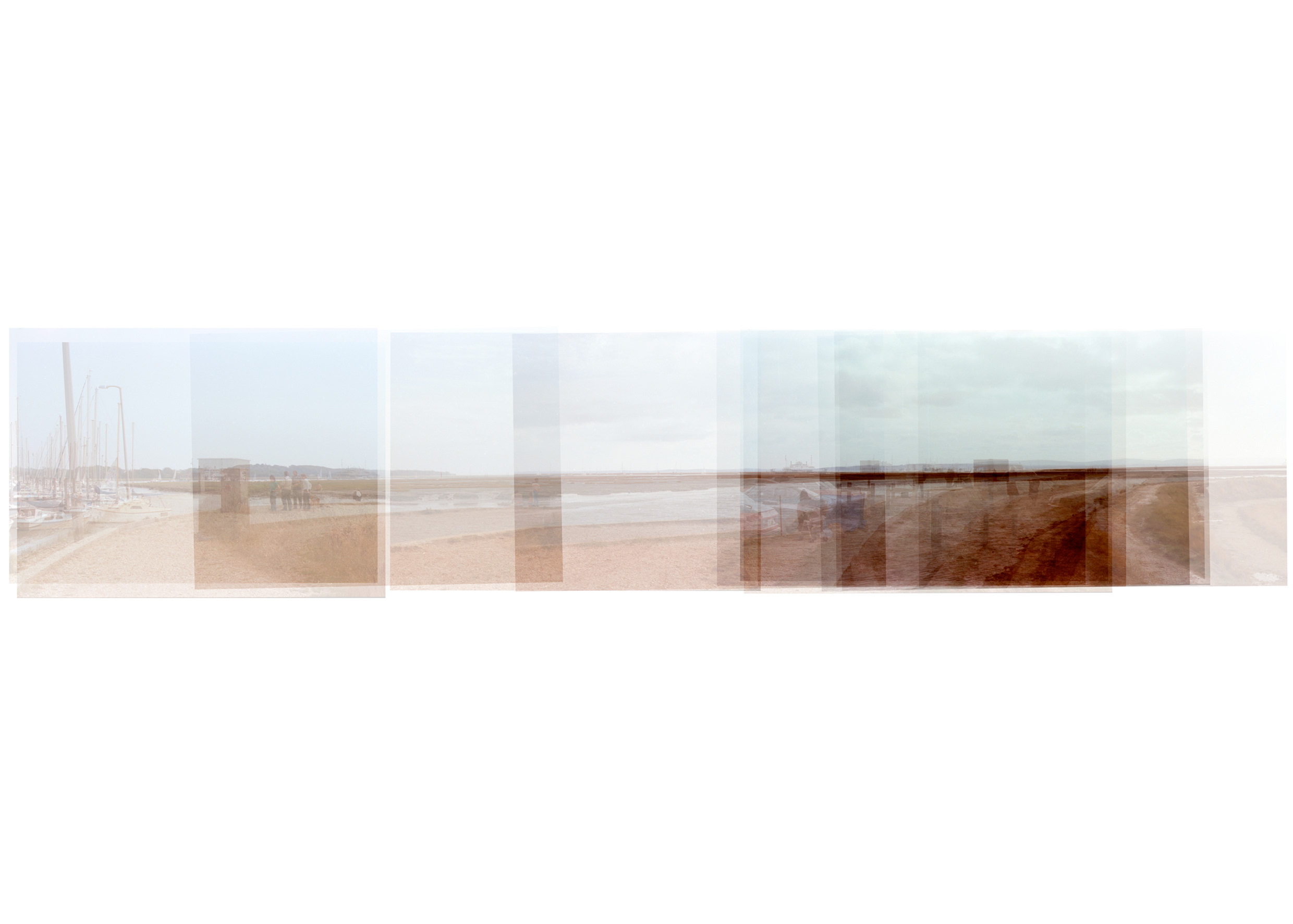
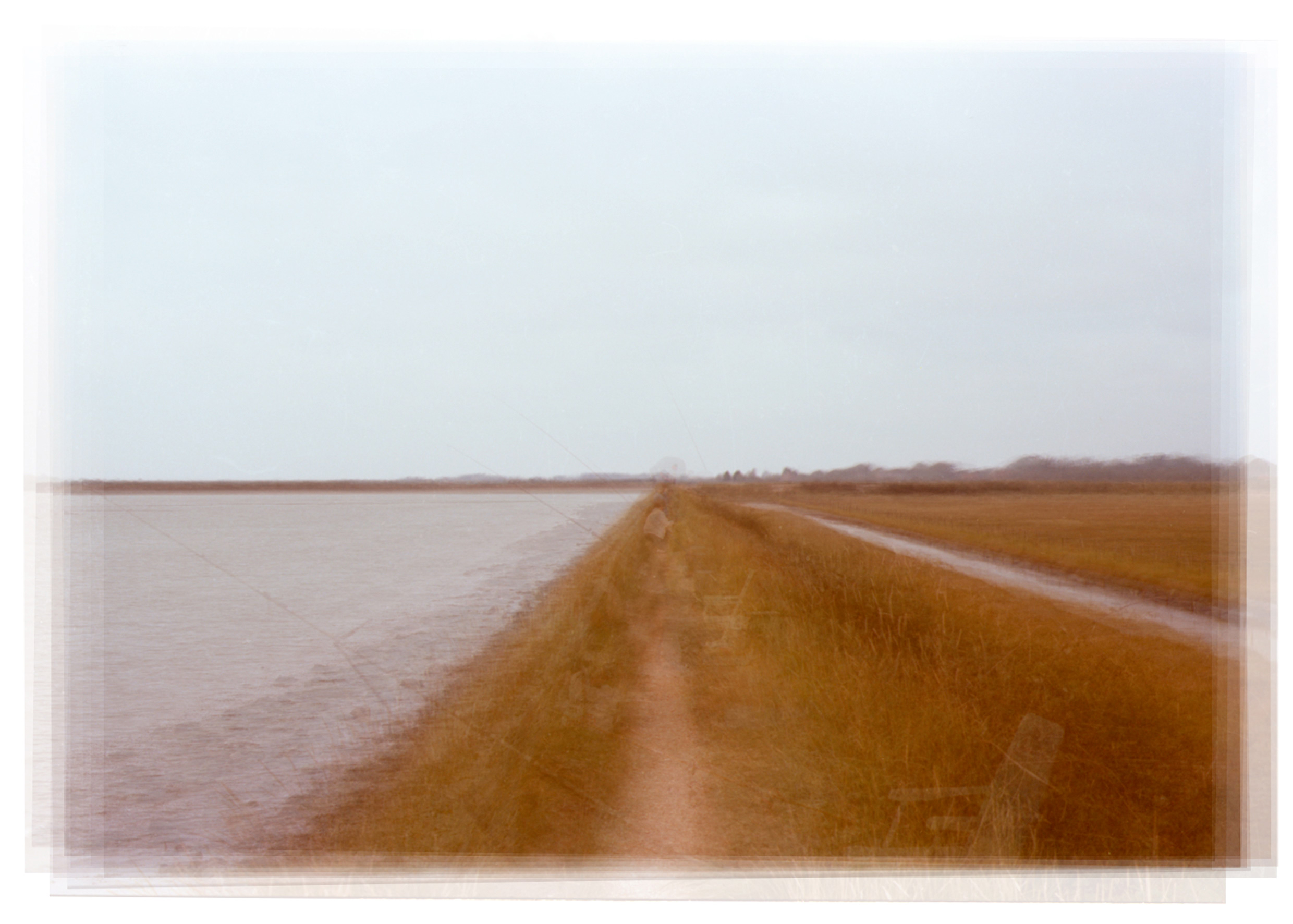
West Solent Coastline Rhythm. Photography and drawing on map
1982 -2004
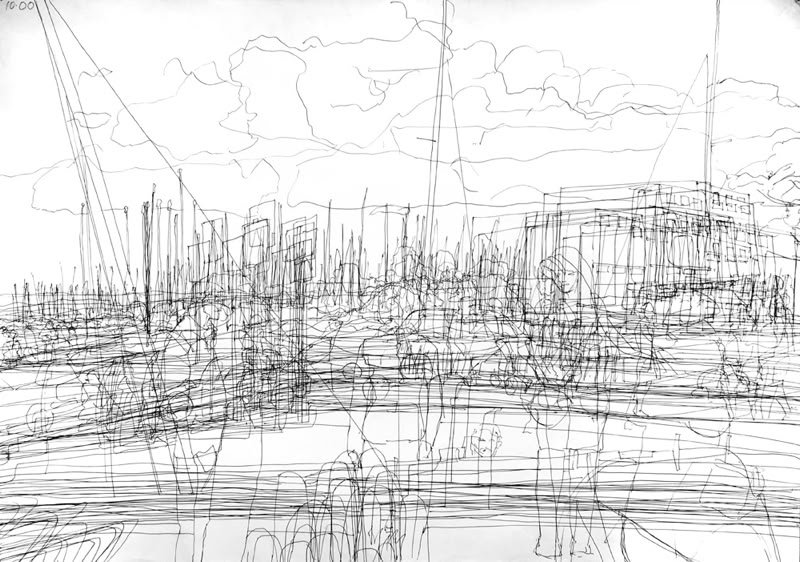
WEST SOLENT COASTLINE RHYTHM
24 drawings, ink on paper, 594 x 841 cm, 1983
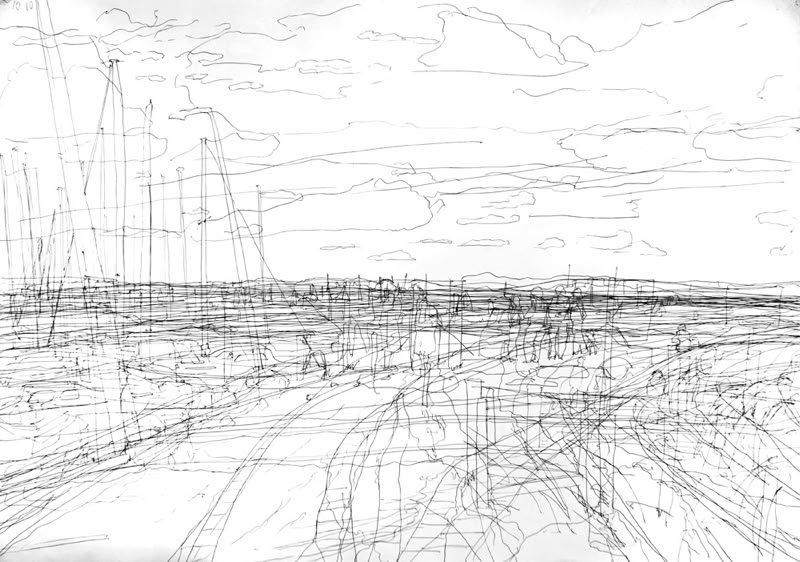
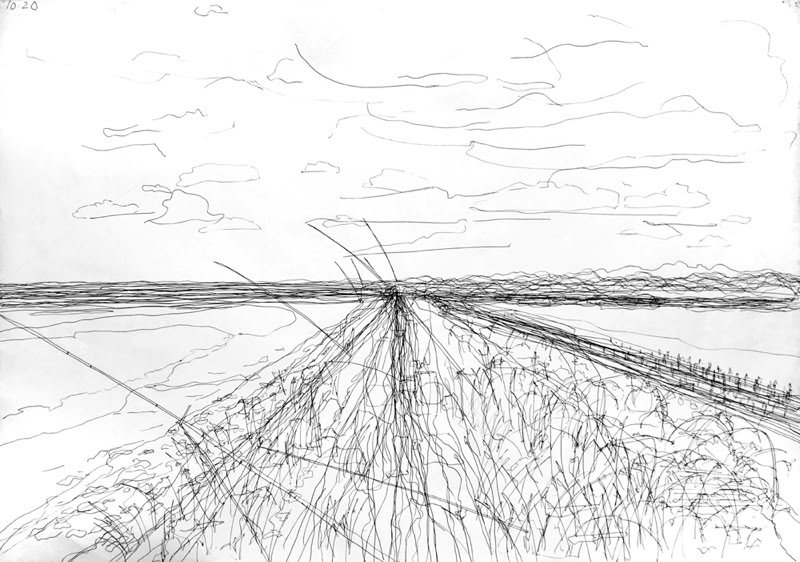
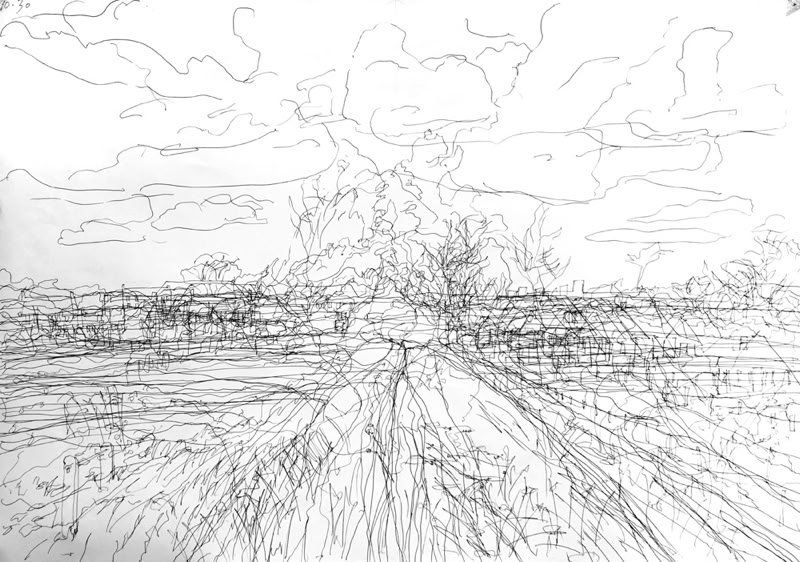
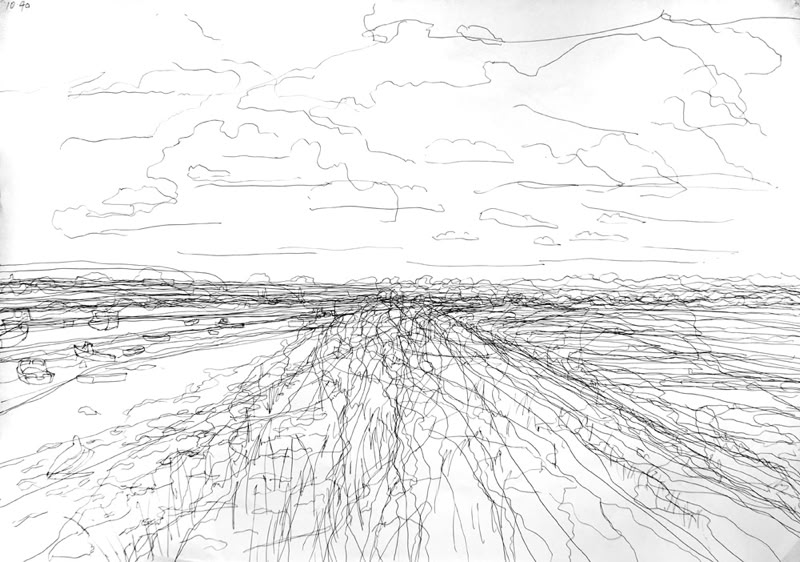
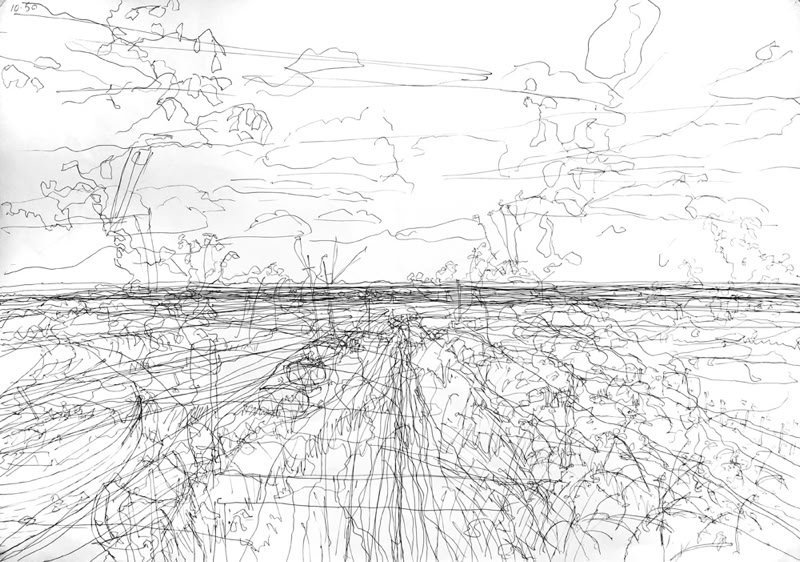
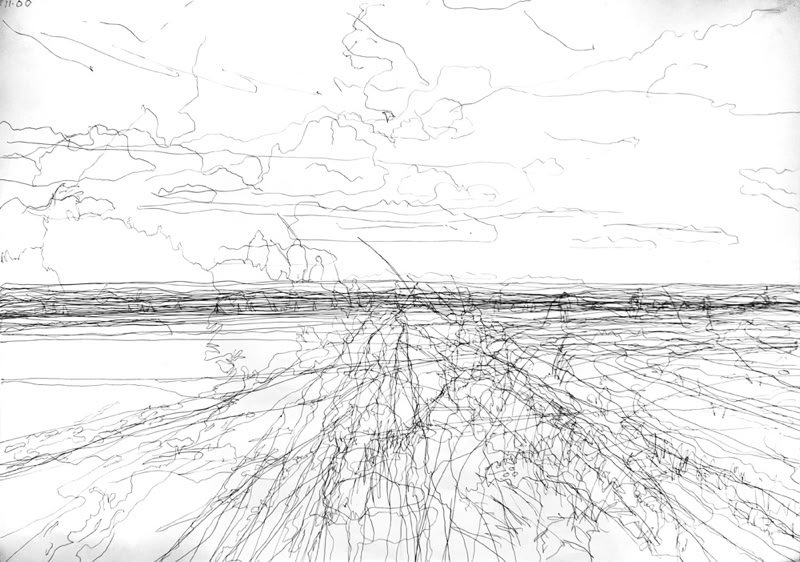
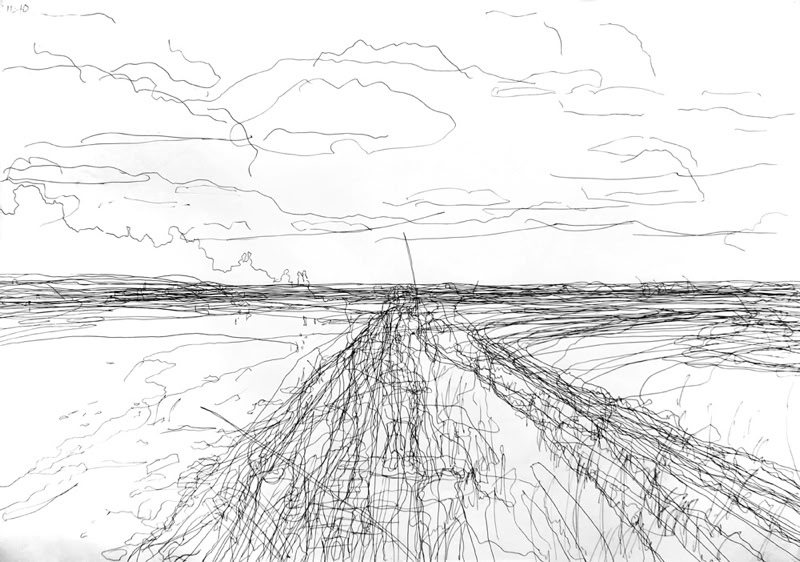
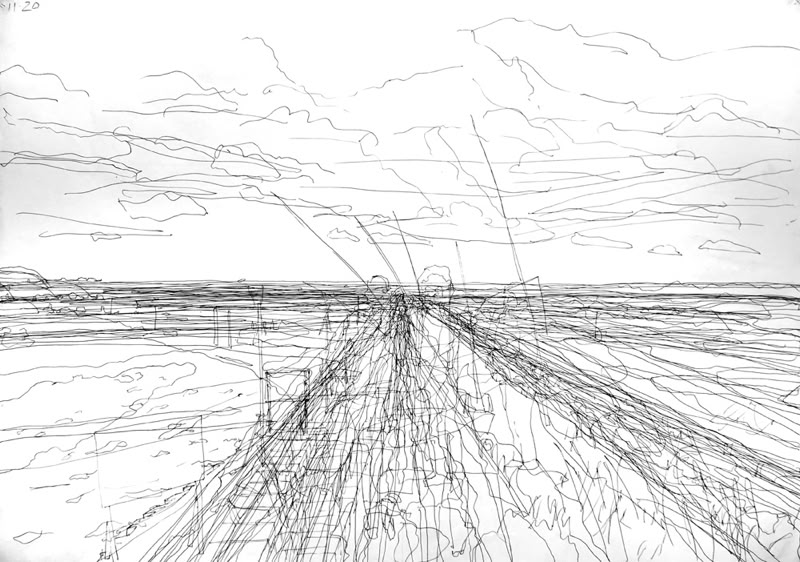
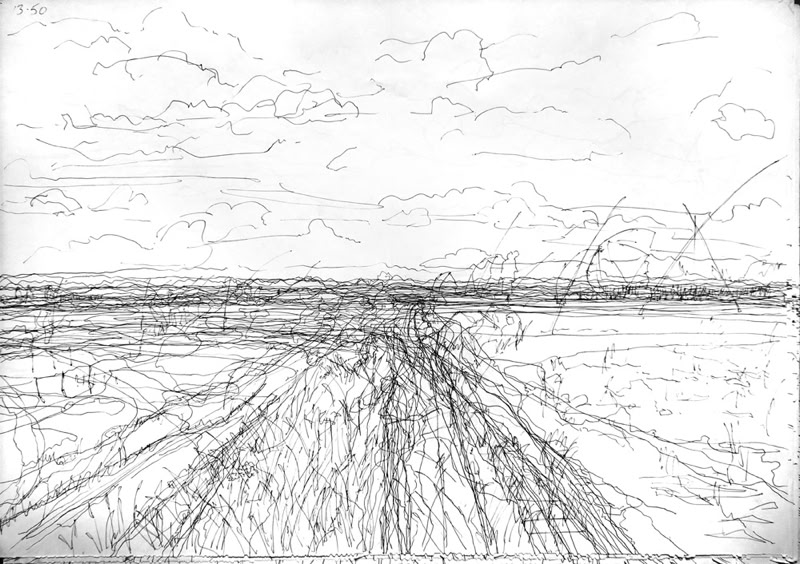
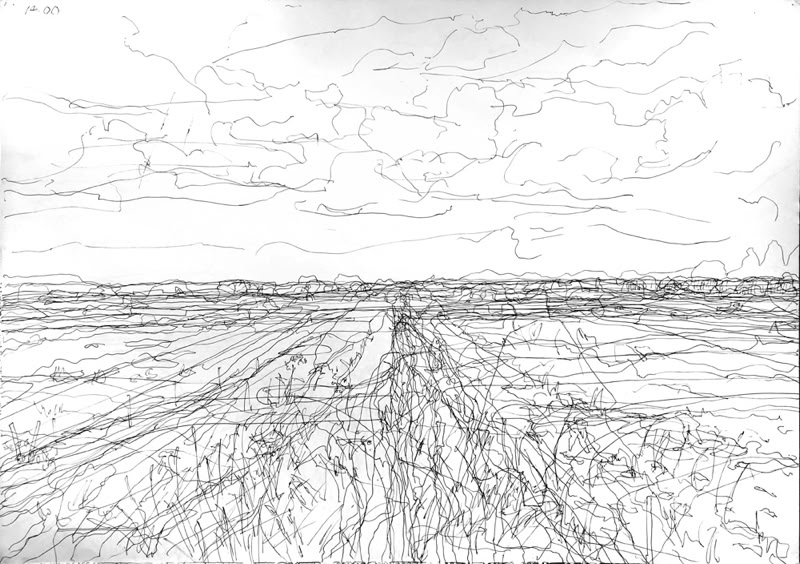
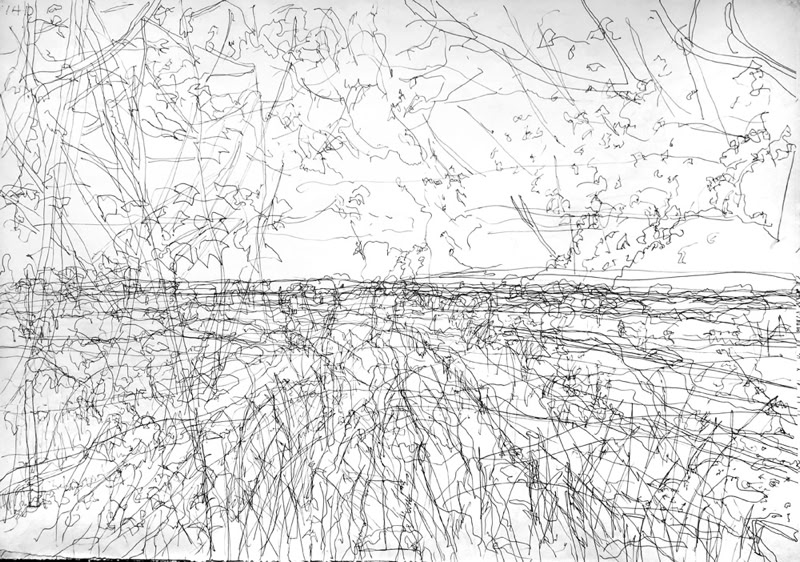
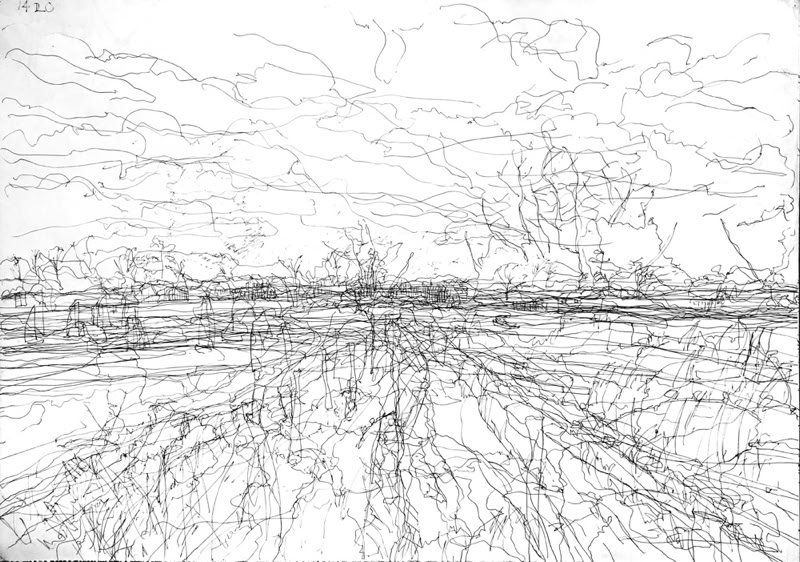
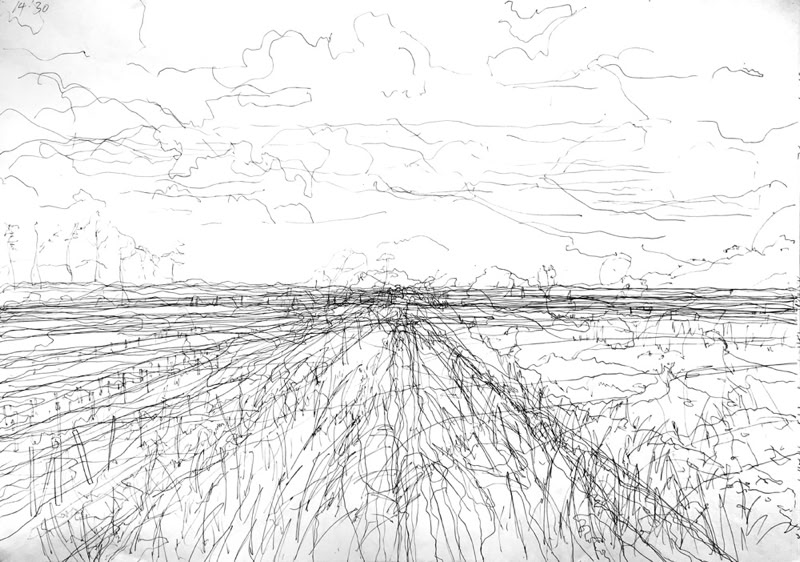
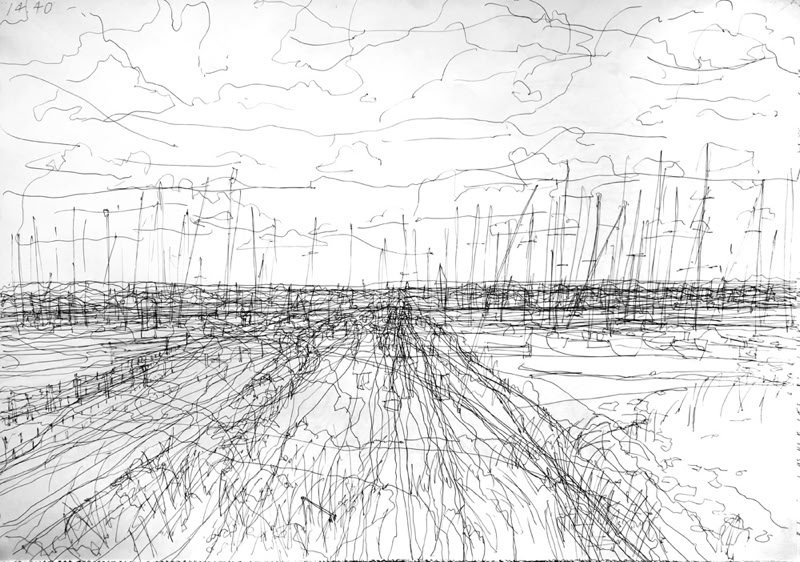
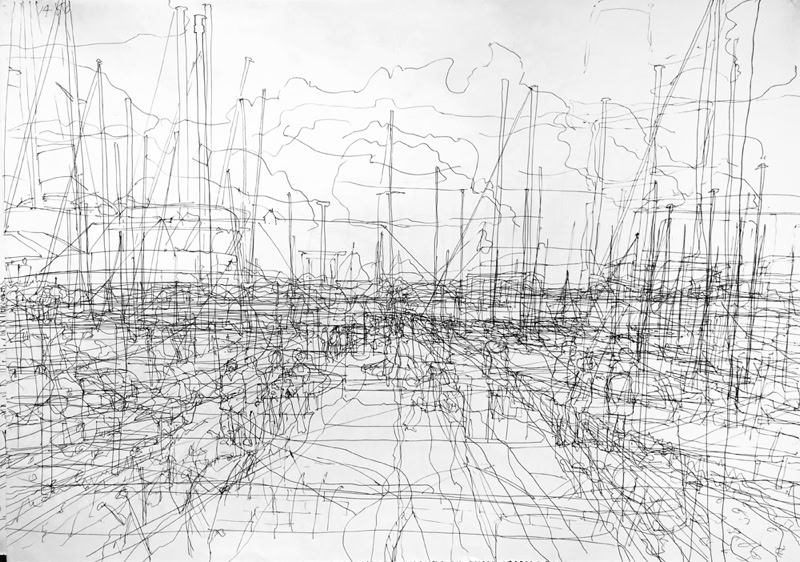
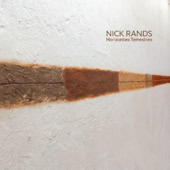
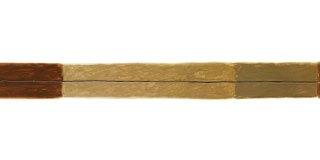
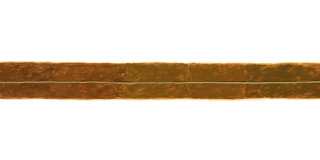
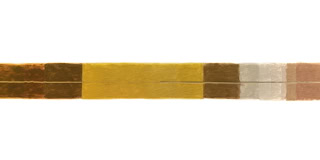
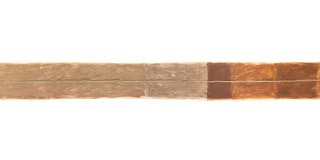
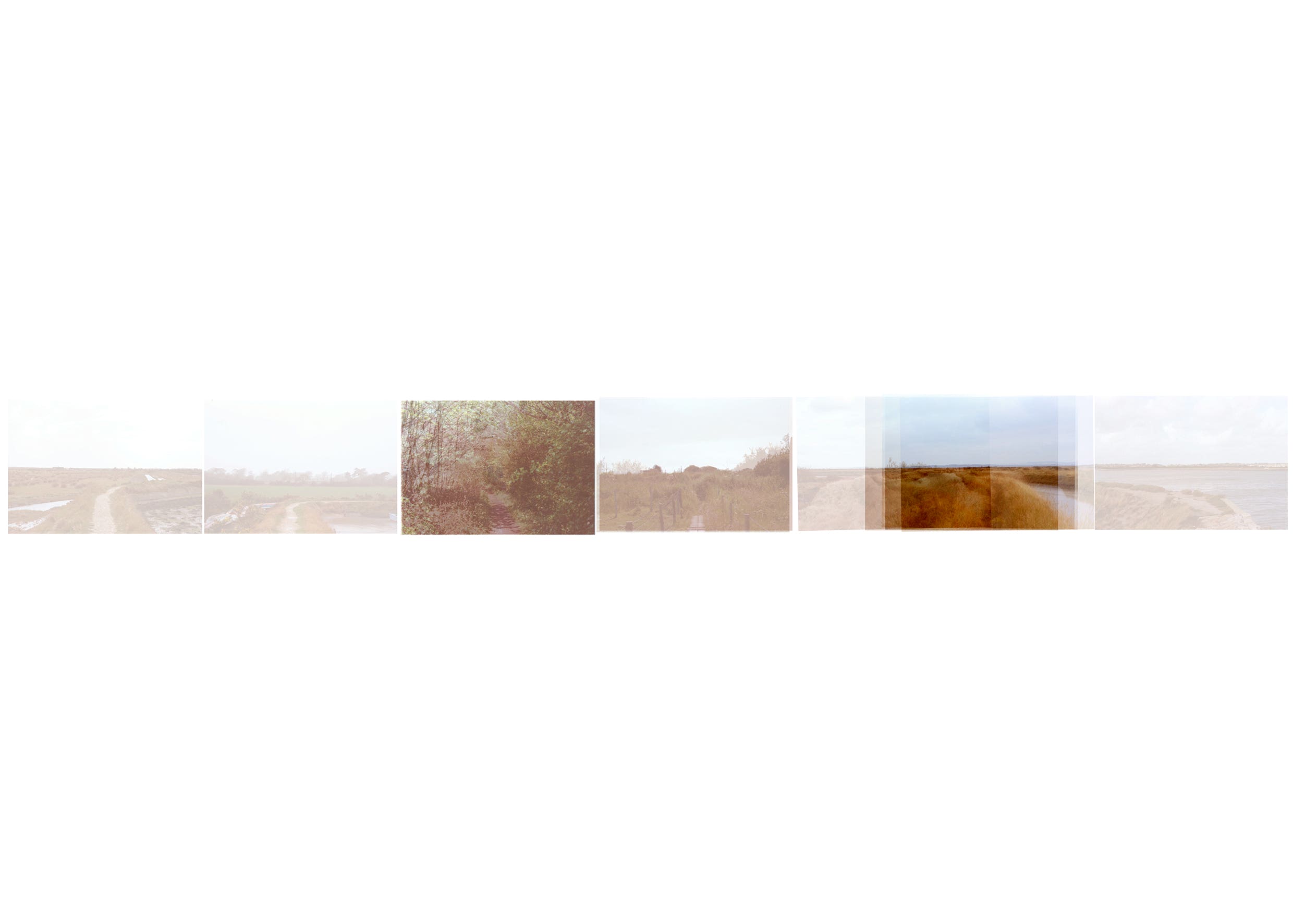
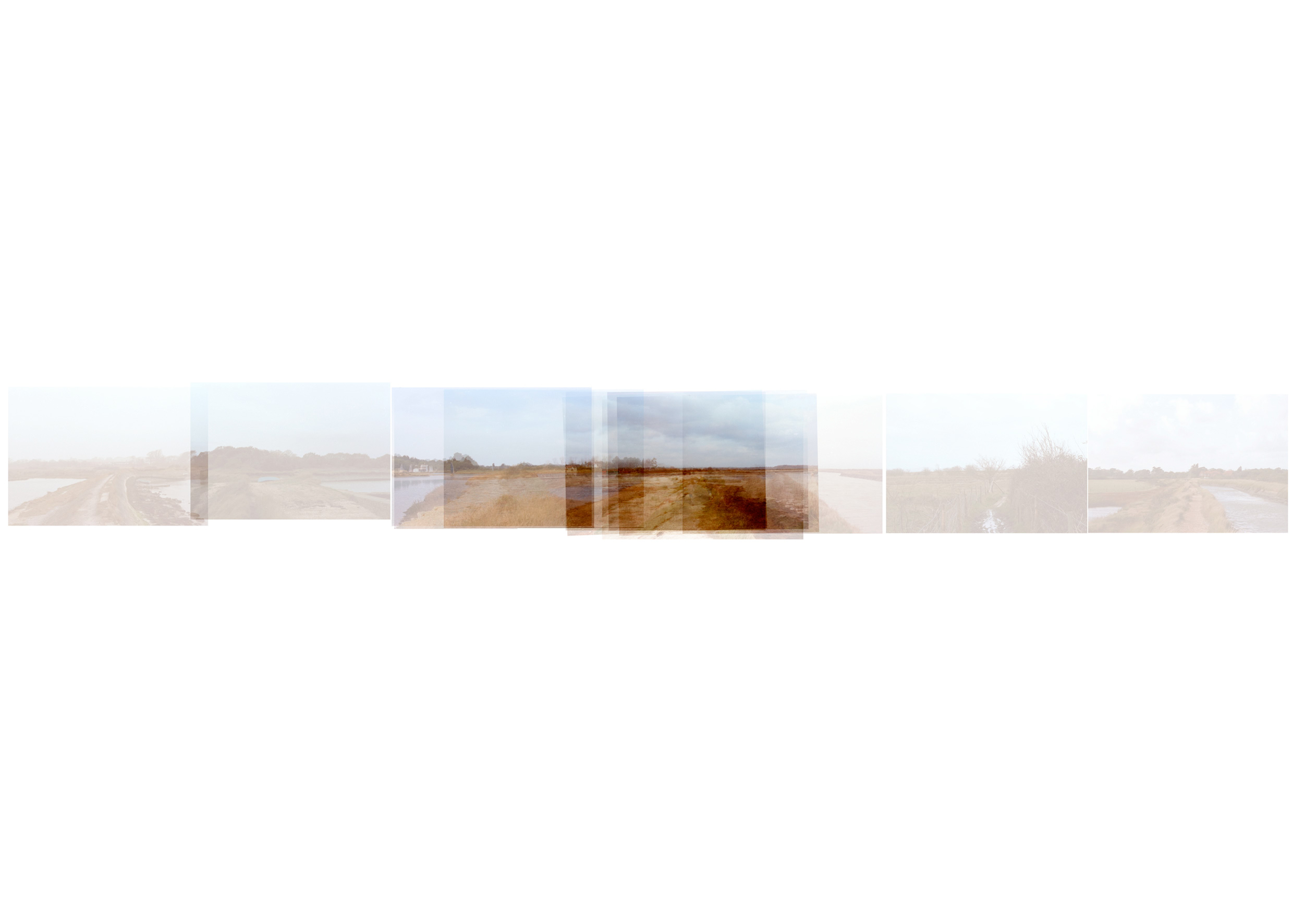
Horizontes Terrestres Paperback 2018 66 pp. 21 x 21 cm
p.o.d. book with hand embossing
edition 50
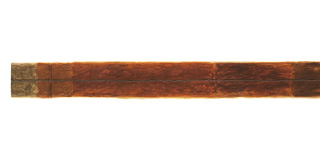
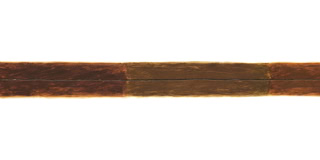
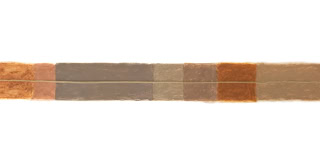
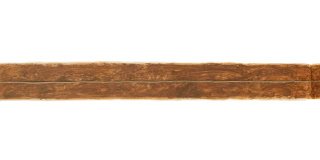
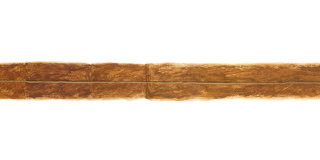
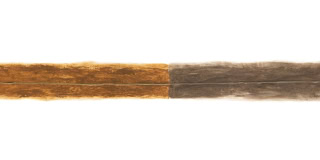
Horizontes terrestres.
giclée print with embossing on Canson photo mattE in box, 11 x 106 cm (open), 2018
edition 5